
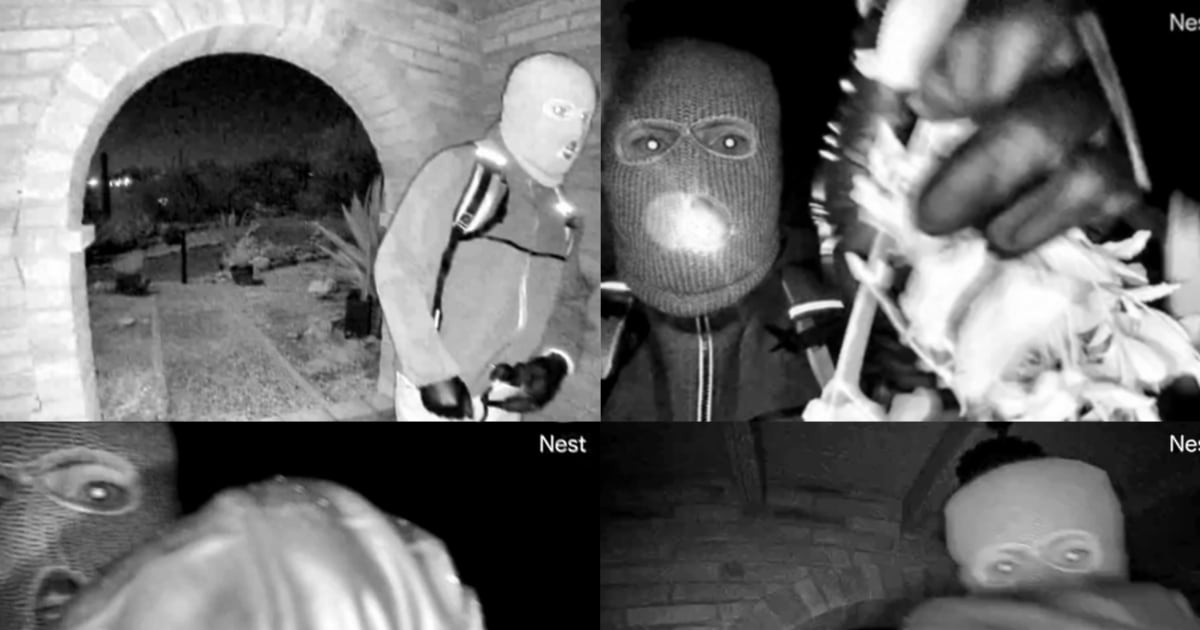
Nancy Guthrie, 84, missing since Feb 1st in Tucson, AZ. Digital forensics key in investigation due to lack of physical evidence. Reward offered for info le
Overview of Nancy Guthrie's Disappearance
Nancy Guthrie, an 84-year-old mother and the wife of John Guthrie, has been missing since February 1st. She was last seen on February 1st in her residence located in Tucson, Arizona. The disappearance has sparked significant concern, with her family offering a $1 million reward for information leading to her recovery.
Digital Forensics as a Key Tool
In the absence of clear physical evidence and the limited public disclosure from authorities regarding any potential suspects, experts are turning their attention towards digital forensics. Heather Barnhart, a digital forensics expert associated with Cellebrite and the SANS Institute, emphasized that "Your phone is the silent witness to your life. It knows everything you do." This sentiment highlights how digital devices can provide crucial insights into an individual's whereabouts and activities.
Challenges in the Investigation
The investigation has faced several challenges, particularly with DNA evidence from gloves found near Guthrie’s home yielding no matches in CODIS, the FBI database for convicted offenders' DNA profiles. Additionally, Pima County Sheriff Chris Nanos mentioned that investigators are examining DNA collected from Guthrie's residence but have encountered difficulties due to "challenges" with the sample.
Role of Artificial Intelligence and Social Media
Chris Burbank, a former police chief, suggested leveraging artificial intelligence (AI) to track social media leads. He argued, "Most of the time, people involved in this leave some sort of social media trail." This approach complements traditional investigative methods by potentially uncovering additional leads.
The Potential Impact of Digital Evidence
Barnhart underscored that digital forensics could prove pivotal once more substantial evidence emerges. She noted, “Eventually, when digital evidence becomes available, it will also paint a picture of truth.” Such insights may come from the identification of a suspect or person of interest, or through technology like license plate readers and other data tracking systems.
Analysis of Digital Footprints
Digital forensics involves analyzing information from various sources including cell tower data, Wi-Fi logs, travel data, and cloud storage. Barnhart’s experience in investigating the University of Idaho murders highlighted how meticulously tracking a suspect's digital footprint can provide critical evidence. In Guthrie's case, analysts will look for anomalies that could indicate attempts to cover one's tracks.
Conclusion
As the search continues, experts like Heather Barnhart are optimistic about the role digital forensics will play in uncovering truths. Despite challenges and limited public disclosure from authorities, her insights suggest that every disappearance leaves behind a trail of digital evidence waiting to be analyzed. The key lies in piecing together these often complex and fragmented clues to bring clarity to the investigation.
Source: Read Original Article
Post a Comment