
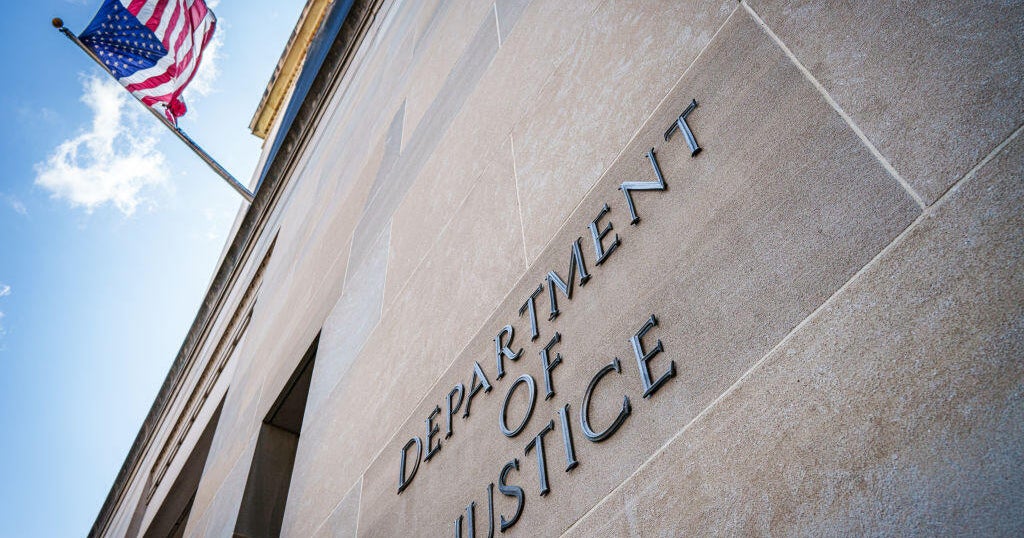
The Justice Department appeals lower court rulings that invalidated President Trump's 2017 executive orders targeting four law firms for alleged discrimina
Background on the Legal Battle
The Justice Department recently requested a federal appeals court to overturn lower court rulings that invalidated President Donald Trump's executive orders targeting four major law firms. The government's stance has shifted, as it had previously indicated it would voluntarily drop its appeals.
Executive Orders and Their Basis
In 2017, Trump issued executive orders aimed at punishing four law firms—Perkins Coie, WilmerHale, Jenner & Block, and Susman Godfrey—because of their hiring practices and cases they handled. The government alleged these firms engaged in racial discrimination through their diversity programs and for hiring lawyers who had worked on special counsel Robert Mueller's team. The measures imposed sanctions such as disclosing contractors' hiring practices, restricting access to federal buildings, and suspending security clearances.
Legal Rulings and Their Rationale
Lower court judges struck down the executive orders, deeming them unconstitutional. One judge called the order "cringe-worthy," while another described it as a "screed." The firms argued that the orders violated the First Amendment by punishing them for diverging from the administration and for upholding their clients' rights to legal counsel.
Government's Appeal and Justification
In its appeal, the Justice Department asserts that the executive orders were within the president's constitutional prerogative. The government maintains that decisions on security clearances and federal agencies' reviews of employment practices fall under the president's authority. It argues that the district courts failed to consider the "plainly constitutional aspects" of the executive orders.
Impact on Other Firms and Legal Responses
The executive order against the law firm Paul Weiss was rescinded after the firm agreed to provide pro bono services. Other firms preemptively struck similar deals. The firms involved have expressed disagreement with the government's decision to appeal, maintaining that their operations were not in violation of the law. Susman Godfrey, for instance, stated that the administration's reversal was perplexing and that the firm would defend itself and the rule of law unequivocally.
Conclusion
The sudden change in the government's stance has drawn criticism and raised questions about the rationale behind the shift. The case highlights the ongoing tensions between executive authority and judicial oversight in the United States.
Source: Read Original Article
Post a Comment