
Military tensions in the Middle East escalate with Israel's strikes on Beirut and Iran's response by shutting down the Strait of Hormuz, impacting global o
Escalating Military Tensions in the Middle East
Military tensions have intensified in recent weeks, particularly in the context of potential US attacks on Iran. Congress members are expressing growing opposition to a war with Iran, while the region experiences escalating conflicts that extend beyond traditional borders.
Israel's Overnight Strikes on Beirut
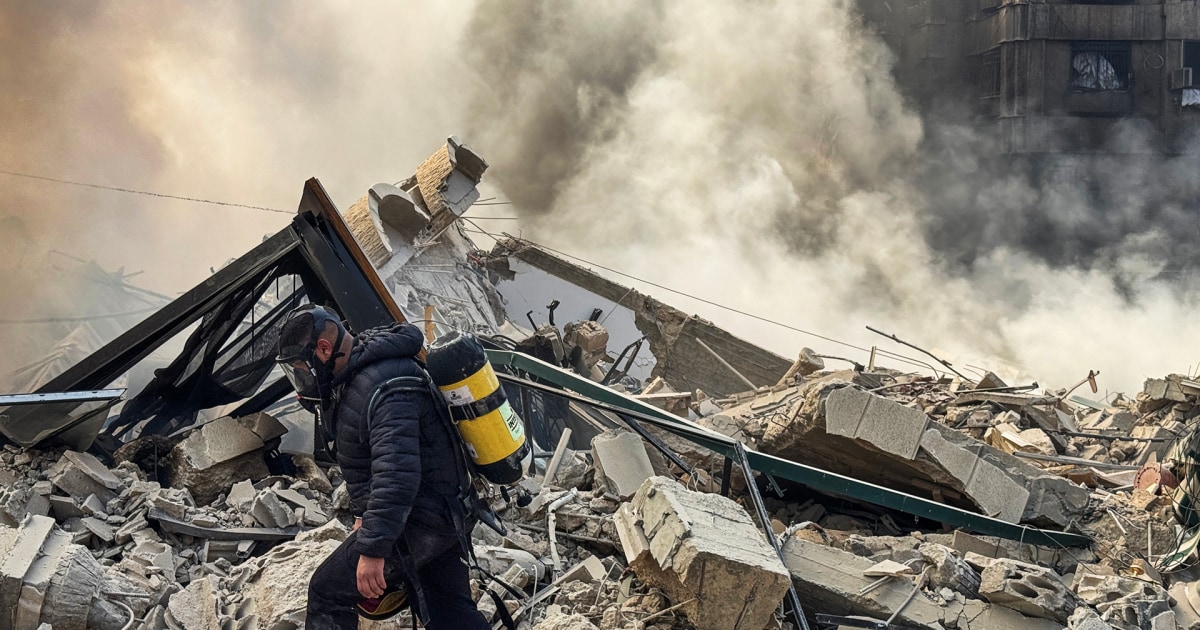
Israel launched an overnight "wave of strikes" targeting Hezbollah command centers and weapons storage facilities in Beirut’s southern suburbs, according to the Israeli military. The attacks targeted Al Manar channel studios, which are aligned with Hezbollah, signaling a broader strategic move against Iran's proxy forces.
Iran's Response and Global Implications
Iran has responded by shutting down the Strait of Hormuz, leading to a spike in oil and gas prices worldwide. This action underscores the significant economic impact of tensions between the two nations, affecting global trade and energy markets.
Civilian Concerns Amidst Conflicts
Civilian populations across the Middle East are increasingly on edge as Iran launches retaliatory strikes. The humanitarian consequences of these actions have become a focal point for international concern, with reports of civilian casualties and travel disruptions becoming more frequent.
Military Objectives and Strategic Considerations
The US military's objectives in Iran remain unclear, with General Caine emphasizing the likelihood of "additional losses" among U.S. service members during Operation Epic Fury. While some officials have downplayed concerns about a prolonged conflict, others warn that the situation could be fluid and unpredictable.
Congressional and International Reactions
Amidst these escalating tensions, there is growing opposition to the war effort within Congress, with members voicing their concerns over potential military engagements against Iran. Simultaneously, international reactions highlight the global nature of this conflict, as countries around the world watch developments closely.
Stranded Americans and Civilian Impact
Reports indicate that Americans are being stranded overseas amid the ongoing strikes in Iran, highlighting the broader civilian impact of these military operations. The situation has led to significant travel chaos and humanitarian crises for both civilians and expatriates in the region.
Analysis of Strategic Decisions
The decision by Israel to launch these strikes is part of a larger strategy against Hezbollah, but it also risks deepening regional tensions. Analysts suggest that while the immediate goals may be clear, the long-term consequences are uncertain and could have far-reaching implications for stability in the Middle East.
This multifaceted conflict continues to evolve rapidly, with various stakeholders—military, political, and civilian—affected by these ongoing operations. As the situation develops, continuous monitoring of regional dynamics will be crucial for understanding potential outcomes and their broader geopolitical impacts.
Source: Read Original Article
Post a Comment