
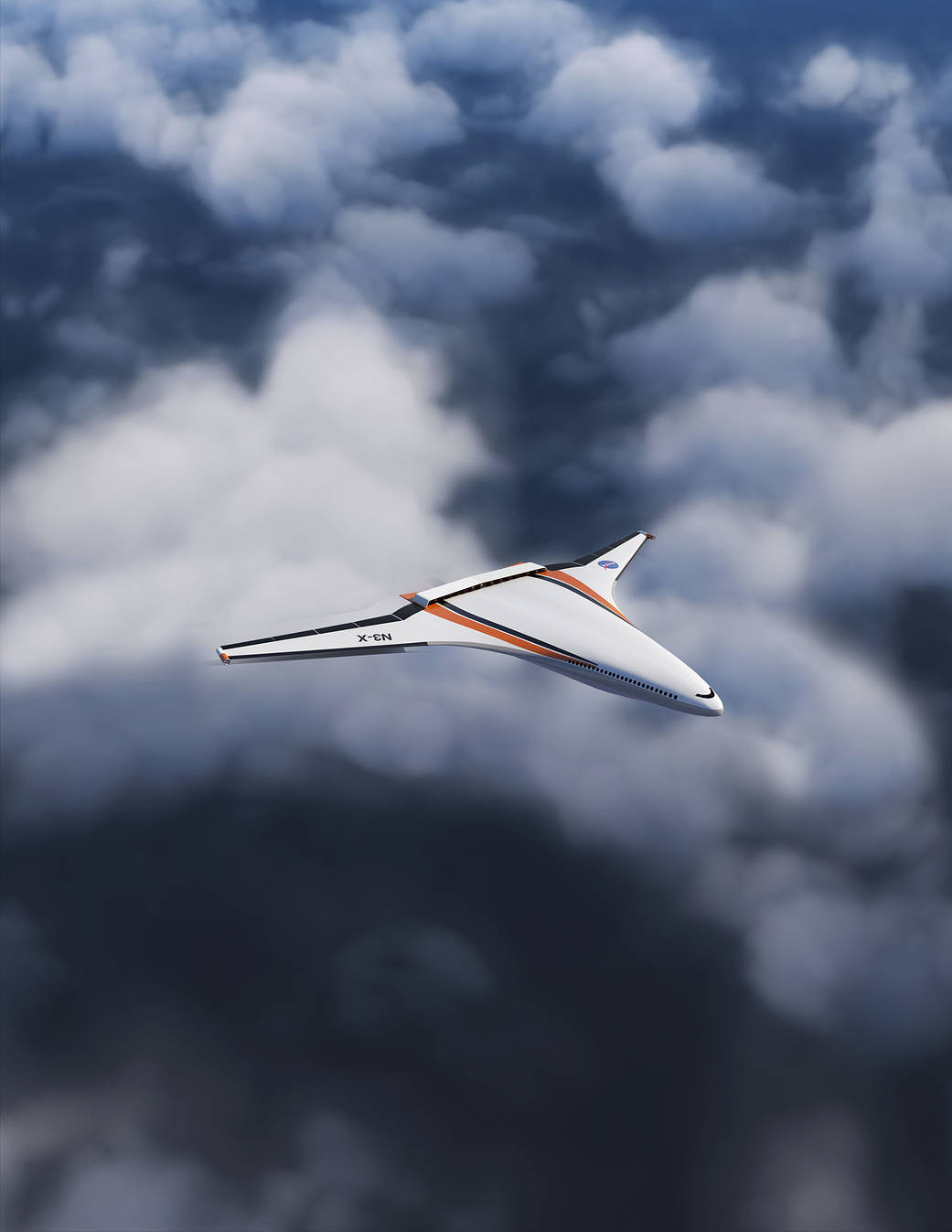
NASA's SVTT project aims to advance technologies for next-generation aircraft, enhancing performance and efficiency in subsonic and VTOL vehicles.
NASA's SVTT Project Overview
NASA’s Subsonic Vehicle Technologies and Tools (SVTT) project is dedicated to advancing the technologies and tools necessary for a range of aircraft, from next-generation vertical take-off and landing (VTOL) and fixed-wing subsonic aircraft. This project aims to enhance the performance and efficiency of future aircraft, ensuring the United States remains competitive on a global scale.
Next-Generation Fixed-Wing Aircraft
SVTT focuses on the development of next-generation single-aisle aircraft, aiming to improve airframe efficiency, reduce fuel consumption, and minimize noise. The project also explores the integration of propulsion systems with the airframe, a critical step in the evolution of modern aircraft. Through these efforts, SVTT contributes to maintaining U.S. industrial competitiveness in the subsonic transport aircraft market, while also opening new opportunities for regional jets and smaller aircraft.
The research encompasses innovative airframe designs, the emerging field of electrified aircraft propulsion, and the development of advanced gas turbine engines. These advancements are essential for creating the next generation of aircraft that meet stringent performance and environmental standards.
Urban Air Mobility
SVTT also investigates the potential of multi-rotor urban air mobility (UAM) vehicles through the development of modeling and simulation tools. These tools help in understanding the noise and performance characteristics of UAM vehicles, which can operate in urban environments with limited space. The emergence of the UAM industry within the broader advanced air mobility sector highlights the potential of these vehicles to support various public good missions, including disaster relief, emergency services, and medical transport.
Advanced vertical lift capabilities are crucial for operations in confined spaces, making UAM vehicles a valuable asset in urban settings.
Timeline and Impact
While the SVTT project focuses on long-term technology development, it also achieves significant near-term and mid-term benefits. By demonstrating useful technology improvements along the way, SVTT ensures that the progress made is not lost and can be built upon in subsequent phases of the project.
The Advanced Air Vehicles Program, which includes SVTT, is a comprehensive initiative aimed at developing and integrating advanced technologies for future aircraft. This program plays a crucial role in shaping the future of aviation, ensuring that the United States remains at the forefront of aviation innovation.
Source: Read Original Article
Post a Comment