
Cuban President Díaz-Canel rejects U.S. invasion threats, stating readiness for defense. Political prisoner debate intensifies as U.S. demands go unanswere
Cuban President's Resolute Stance on U.S. Invasion Threats
Cuban President Miguel Díaz-Canel has delivered an unequivocal statement in response to potential U.S. invasion threats, declaring, "if we need to die, we'll die" to prevent such an occurrence. The president's remarks underscore the government’s commitment and readiness to defend its sovereignty.
Political Prisoner Debate Intensifies
In a contentious turn of events, Cuban President Díaz-Canel has not committed to releasing political prisoners in response to U.S. demands. This stance marks a significant challenge for international diplomacy efforts aimed at easing tensions between the two nations.
Republican Congressman Supports Regime Change
Byron Donalds, a U.S. Representative from Florida, has expressed support for "full-scale regime change" in Cuba during an interview. His comments reflect a more aggressive approach to Cuban policy among some members of Congress.
U.S. Demands and Response
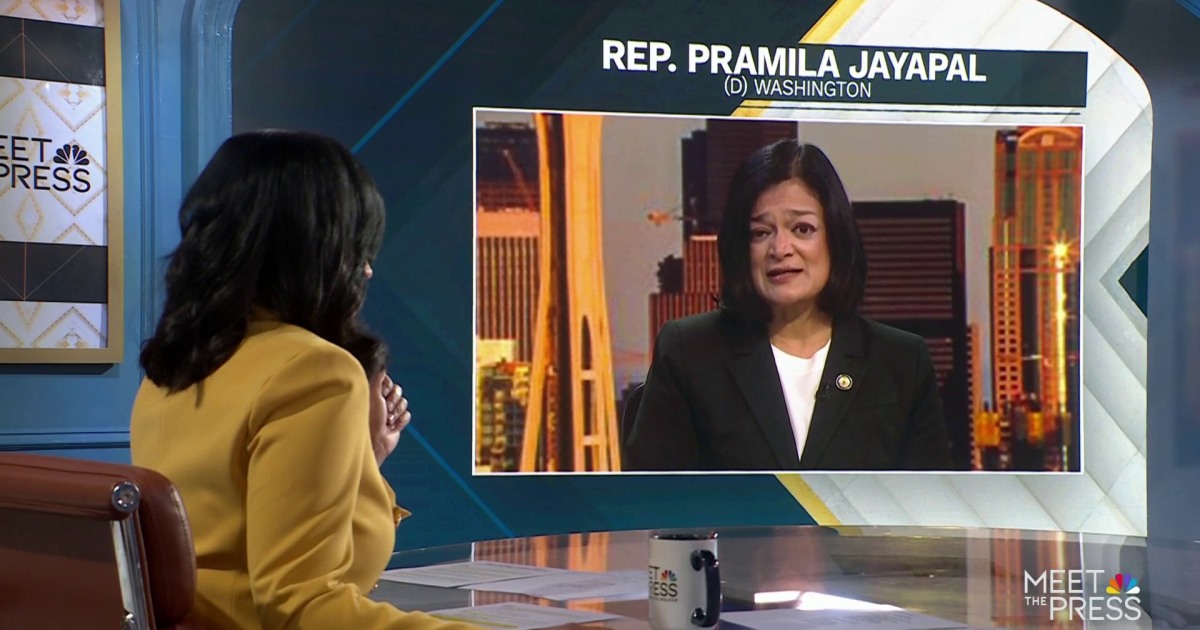
Pramila Jayapal, a Democratic representative from Washington, has called the U.S. oil blockade on Cuba "outrageous," highlighting the humanitarian impact of such measures. Her statement reflects growing bipartisan criticism within the U.S. Congress over foreign policy decisions affecting Cuba.
Sexual Misconduct Allegations and Party Unity
Byron Donalds further criticized Reps. Eric Swalwell and Tony Gonzales, stating they “need to go home” amid ongoing sexual misconduct allegations. These comments are part of a broader discussion on maintaining party unity in the face of internal controversies.
Congressional Action on Expulsion
Pramila Jayapal has pledged to vote for the expulsion of Reps. Eric Swalwell and Tony Gonzales, emphasizing that this decision is not partisan but driven by her respect for survivors who have come forward with allegations of misconduct.
Geopolitical Developments and Regional Dynamics
The article includes a range of geopolitical developments, from the reaction of the Cuban president to U.S. calls for his resignation to discussions on Iran peace talks and the potential extension of deadlines related to regional agreements. These issues highlight the complex interplay of global politics in the Americas.
Conclusion: Partisan and Geopolitical Implications
The series of interviews and statements from political figures underscore both domestic and international tensions, reflecting a landscape where policy decisions are influenced by ideological divisions as well as geopolitical considerations. The unfolding events suggest that future actions will likely be shaped by these multifaceted dynamics.
Source: Read Original Article
Post a Comment