
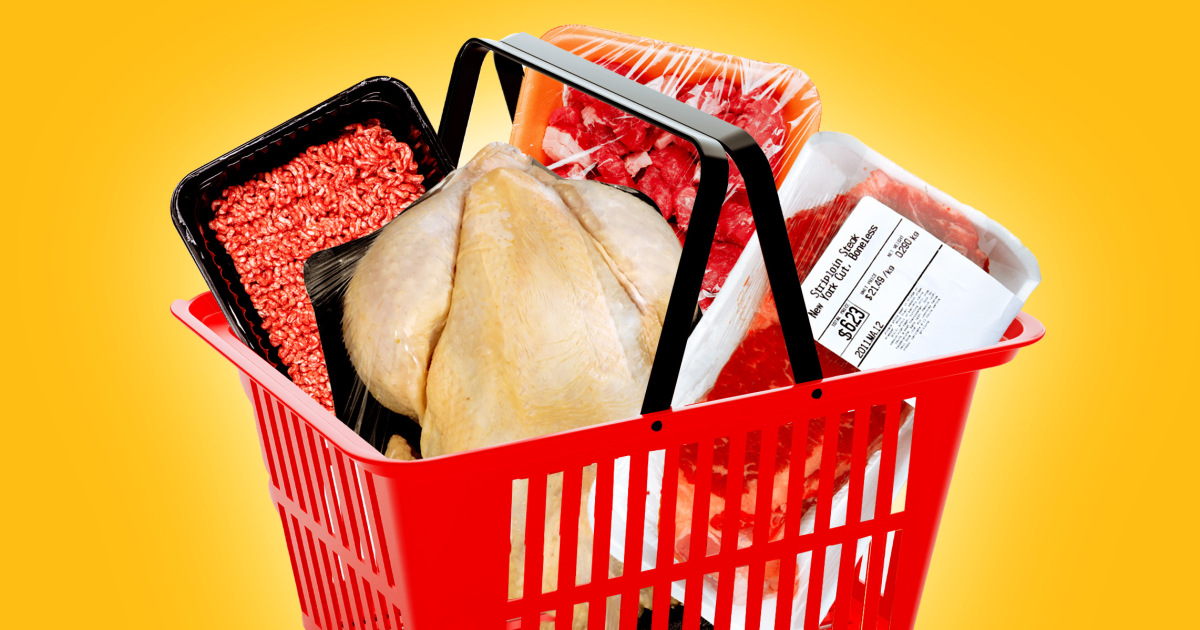
Understand protein market trends and consumer behavior as influenced by rising beef prices and economic factors.
Market Dynamics and Consumer Behavior
Retail branding expert Jim Cusson commented on recent trends in the protein market, particularly with Starbucks' addition of protein to its lattes. While Cusson anticipates a sustained interest in protein-rich offerings, he notes that beef prices are expected to continue rising by over 12% year-over-year.
Economic Factors Influencing Consumer Choices
With higher meat costs, consumers might turn towards cheaper alternatives like pork or poultry before considering plant-based options such as legumes. Despite economic pressures, Cusson observes that even budget-conscious shoppers remain committed to meat and poultry products. A recent industry report revealed that 68% of consumers view these items as essential within their budgets.
Beef's Dominance in the Market
Beef plays a crucial role in driving overall meat sales growth. According to Circana data, it accounted for 70% of the 6.8% increase in U.S. meat sales last year, reaching a record $112 billion. This significant contribution underscores its importance within the broader protein market.
Product Positioning and Marketing Strategies
To capitalize on this demand, beef sellers are enhancing their marketing strategies to highlight the high-protein content of their products. One example is Theory House's client introducing new 8-ounce "American-style, kobe-crafted" patties, which feature a prominent label emphasizing 38 grams of protein per serving.
The Future of Protein Products
Cusson envisions that every customer touchpoint will increasingly emphasize the nutritional benefits of protein. This trend suggests that protein-rich products are likely to continue gaining prominence in retail environments as consumers seek value and health-conscious options amidst rising meat prices.
Source: Read Original Article
Post a Comment