
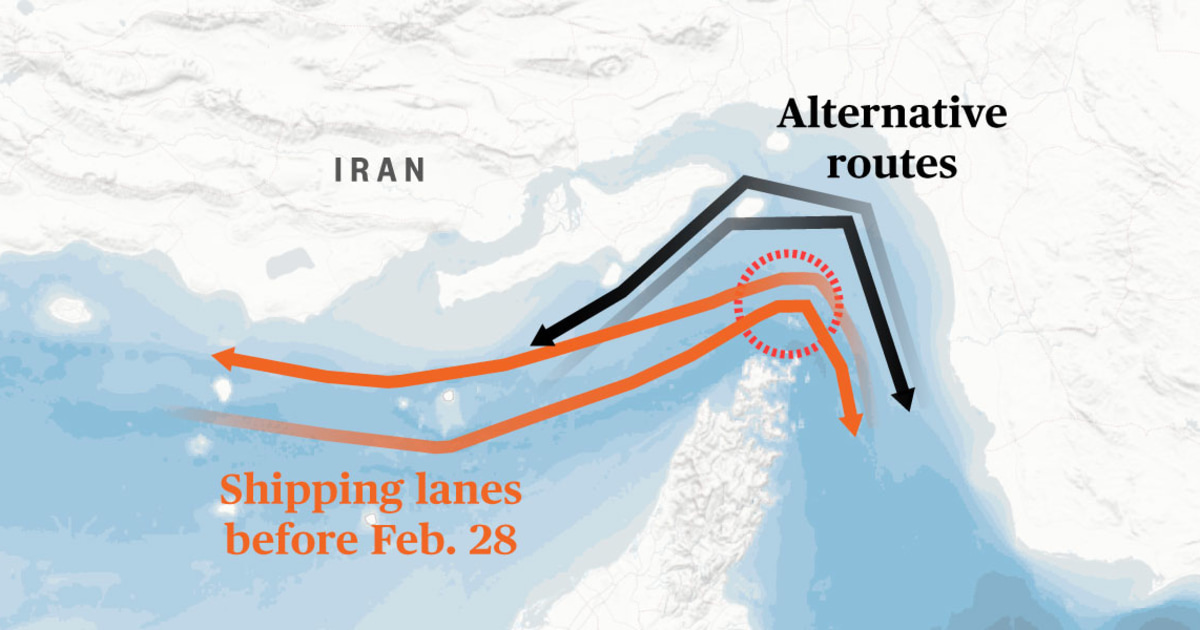
Unprecedented halt in maritime traffic through Strait of Hormuz due to Iran tensions; expected global economic impacts on oil prices and supply chains.
Overview of Strait of Hormuz
The Strait of Hormuz has witnessed an unprecedented halt in maritime traffic, with only a trickle of vessels passing through since tensions escalated following Iran's involvement in the ongoing conflict. This disruption is expected to have far-reaching implications for global economies, particularly affecting the supply chain and pricing of key commodities.
Economic Impact on Global Markets
The near-standstill in shipping through the Strait has led to significant increases in oil prices. Analysts predict that these heightened costs will ripple across various sectors, including manufacturing, transportation, and consumer goods. The reduction in supply could also lead to shortages in critical materials needed for industries such as pharmaceuticals and electronics.
U.S. Naval Blockade Announced
In response to the stalemate in peace talks between the United States and Iran, President Donald Trump ordered a naval blockade of Iranian waters. This move aims to force Tehran into negotiations by limiting its access to international trade routes. However, it also raises concerns about potential military clashes and humanitarian impacts on countries reliant on supplies passing through the strait.
Tracking Ship Movements
To monitor the situation's evolution, NBC News has been tracking the daily count of ships passing through the Strait of Hormuz. While these numbers provide a general indication of maritime activity, they may be underreported due to some vessels' manipulation of their GPS trackers during transit. The exact figures can fluctuate based on various factors, including geopolitical developments and weather conditions.
Conclusion
The ongoing crisis at the Strait of Hormuz highlights the critical role this waterway plays in global trade and energy security. Any further disruption could exacerbate existing economic challenges and potentially trigger broader political tensions. As negotiations continue, stakeholders must closely watch developments to assess their potential impact on markets and geopolitical landscapes.
Source: Read Original Article
Post a Comment