
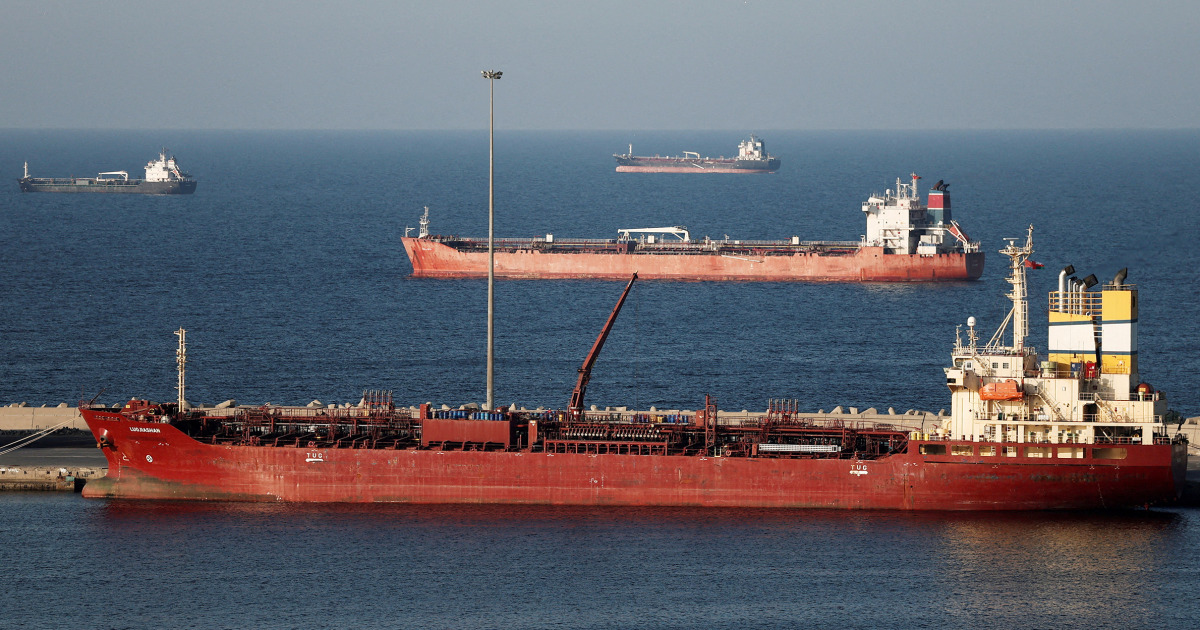
U.S. naval blockade of Iranian ports enforced with warnings to six vessels; 100+ aircraft and over a dozen ships deployed for monitoring.
Background on the U.S. Blockade
On Sunday, President Donald Trump announced a U.S. naval blockade of Iranian ports following failed negotiations with Iran aimed at ending hostilities. Within 24 hours, American warships issued warnings to six vessels, compelling them to turn back.
Initial Response and Enforcement
During this period, five oil-carrying ships reversed course within the first two hours after the blockade went into effect on Monday morning. By Tuesday, U.S. officials reported that American warships had warned a total of six vessels. No shots were fired in these encounters, nor did U.S. personnel board any of the turned-back ships.
Enforcing the Blockade
To enforce the blockade, the U.S. military is deploying over 100 fighter and surveillance aircraft, as well as more than a dozen ships to patrol the region. According to the official, the U.S. has positioned these assets in the Gulf of Oman to monitor vessels leaving Iranian ports. This strategic positioning allows for better tracking and communication with ships violating the blockade.
Operational Details
The U.S. military uses surveillance aircraft, crewed aircraft, and sea-based systems like radars to identify ships that are leaving Iranian ports and coastal areas. These identified vessels are then warned over radio that they are in violation of the blockade and must turn back after crossing the Strait of Hormuz. The official explained that directing ships back to the Gulf of Oman rather than through the Strait of Hormuz provides more options for enforcement.
Potential Escalation
The U.S. has stated it will use force, including fighter aircraft or naval vessels, if any ship fails to comply with the blockade and continues its journey. Currently, no ships have refused to turn back; however, the official noted that the military retains full authority to enforce compliance through such means.
Implications for Trade
The initial response to the U.S. blockade has led to a near-standstill in traffic through the Strait of Hormuz. This has resulted in an increase in oil and key goods prices. The official highlighted that while China's tanker, the Rich Starry, continued its journey without being ordered to turn back, it was not considered in violation of U.S. terms because it originated from the United Arab Emirates.
Conclusion
The U.S. blockade aims to curb Iran's maritime activities and potentially influence its strategic decisions through direct communication and the threat of force. The effectiveness of this strategy remains to be seen, but it underscores the increasing tensions between the two nations over regional control and economic dominance in the Middle East.
Source: Read Original Article
Post a Comment