
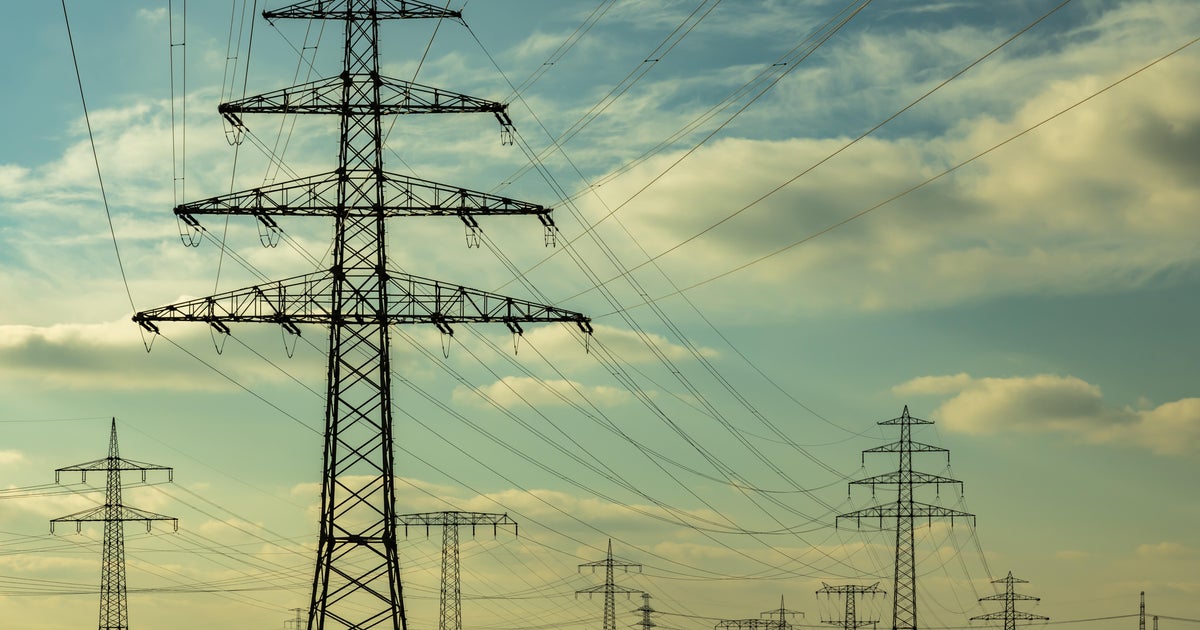
U.S. utilities plan $1.4 trillion investment in power grids over five years, driven by data center growth and AI expansion.
Overview of Utility Investment Plans
U.S. utility companies are set to invest $1.4 trillion in the next five years to upgrade and expand their power grids, driven primarily by the rapid growth of data centers. This substantial investment is detailed in a recent report from PowerLines, a nonpartisan nonprofit organization dedicated to consumer education.
Drivers of Capital Expenditures
### Data Center Expansion as Top Driver
The surge in demand for electricity due to data center expansion has emerged as a key factor influencing utility companies' capital spending plans. According to the report, 51 investor-owned utilities serving 250 million customers cited data centers as their top drivers of future capital expenditures.
### Artificial Intelligence and Data Center Boom
As tech giants aim to enhance artificial intelligence computing capabilities, there is an unprecedented rush to construct power-intensive data centers across the United States. This trend not only fuels utility investments but also raises concerns among local communities about potential increases in electricity costs.
Impact on Energy Consumption
### Current and Future Usage Trends
The MIT Energy Initiative reported that U.S. data centers already consume more than 4% of the country's total electricity, a figure expected to rise to 9% by 2030 if current trends continue. This growth highlights the increasing importance of reliable and robust power infrastructure.
Strengthening the Grid
### Utility Investment Priorities
Utilities are prioritizing investments in grid strengthening against severe weather conditions and replacing aging infrastructure. These investments are crucial for maintaining reliability and resilience, but they come with a financial cost that could be passed on to consumers through increased utility bills.
### Regulatory Approval Process
Capital expenditure plans require approval from state utility regulators, adding another layer of scrutiny to the investment process. This oversight is essential in ensuring that rate hikes do not disproportionately impact customers.
Consumer Impact and Rate Hikes
### Current Residential Price Trends
The U.S. Energy Information Administration forecasts a 5.1% increase in average residential electricity prices for this year alone. PowerLines projects that, if these trends continue, consumers could end up funding nearly half of the planned utility capital spending—approximately $0.7 trillion.
### Regulatory Oversight Crucial
While rate increases are not inevitable, effective oversight by state regulators is critical to ensure that costs are managed fairly and do not fall too heavily on customers. The report emphasizes the need for robust regulatory frameworks to balance utility investments with consumer protection.
Role of Data Centers in Rate Setting
### Potential for Lower Rates
New data center consumers can apply downward pressure on rates by providing utilities with additional sources of revenue, thereby spreading fixed costs over a broader customer base. This dynamic could mitigate some of the financial burdens associated with grid expansion and upgrades.
In conclusion, while the $1.4 trillion investment in utility infrastructure is necessary to meet growing demand from data centers and enhance grid resilience, it also poses significant challenges for consumers facing rising energy costs. Effective regulatory oversight will be key to balancing these demands and ensuring fair pricing for electricity customers.
Source: Read Original Article
Post a Comment