What If Your Solar Installer Goes Out of Business?
What If Your Solar Installer Goes Out of Business?
You picked your installer, signed the contract, and the crew put panels on your roof. Then one day the company’s phone is dead and the website is gone. It is a scary moment, but a folded installer does not mean your system is dead too. Your solar setup never had just one warranty to begin with [1]. The US Treasury’s consumer solar checklist says a home system comes with two kinds of warranty: the maker’s warranty on the gear, and the installer’s warranty on the work [1]. Where you go for help depends on which warranty covers your problem [1].
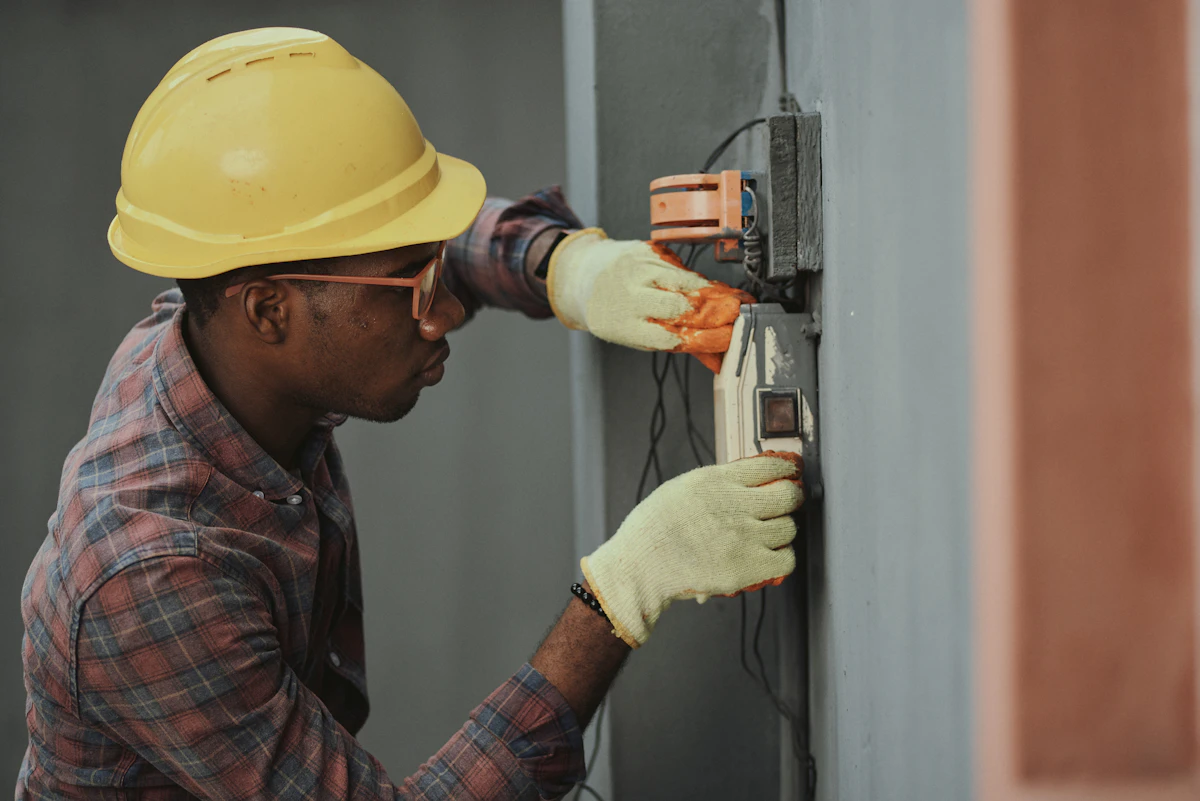
Your “solar warranty” is really two promises
The Treasury checklist draws a clear line between maker equipment warranties and installer workmanship warranties [1]. The maker’s warranty is a promise about the hardware: panels and inverters that were built wrong [1]. The installer’s warranty is a promise about the job: mounts, wiring, and roof work done right [1]. These are two different promises from two different companies, and the Treasury urges homeowners to get both of them in writing [1]. That split is the whole story when a company folds. A gear problem points you to the maker’s warranty, which the maker issued and the maker still honors, installer or no installer [1]. A workmanship problem points you to the installer’s warranty, which was the company’s own promise and may be hard to collect once the company is gone [1]. Sorting your problem into the right bucket first saves you weeks of calling the wrong party.
What to do when your installer is gone
A panel that stops making power, an inverter that throws a fault code, or a part that fails early are gear problems, the kind the maker’s equipment warranty was written for [1]. For these, your first call is the maker’s warranty process, not a search for your old installer [1]. Water getting in around a mount, wiring that was never run cleanly, or roof hardware that loosens in the first few seasons are install problems, the kind the installer’s workmanship warranty was written for [1]. With that company gone, another skilled installer can take over the work going forward, so vet the new company the same careful way you should have vetted the first one [2]. Either way, do not wait for trouble to start hunting for your papers. Most homeowners only learn where their contract, the two written warranties, and the wiring diagram are when they already need them, and that is exactly the moment they are hardest to find.
The real protection happens before you sign
The Treasury urges homeowners to get both warranties in writing, and the time to do it is before the contract is signed, not after the crew leaves your driveway [1]. Ask for the real maker warranty papers for your panels and inverters, and ask for the installer’s workmanship warranty as a promise of its own, in writing [1]. A salesman saying “don’t worry, we cover it all” is not a warranty in writing [1]. And SEIA’s consumer-protection guides cover installer skills and what to check before you sign, because that is when you still have power [2]. Once the contract is signed, your power to demand better terms is gone. Check the installer’s skills, ask for proof instead of talk, and make sure the company in front of you is one you would trust to still be there in five years [2]. No vetting can promise a company will never fail, since firms die for reasons that have nothing to do with their work. But a checked-out installer plus both warranties in writing is the mix that leaves you with somewhere to go, no matter what happens next [1] [2].

Sources
- [1] U.S. Department of the Treasury — Consumer Solar Awareness, which tells maker equipment warranties apart from installer workmanship warranties and urges homeowners to get both in writing — https://home.treasury.gov/policy-issues/consumer-policy/consumer-solar-awareness
- [2] Solar Energy Industries Association — consumer-protection guides on installer skills and what homeowners should check before signing — https://seia.org/initiatives/consumer-protection/
Verified: 2026-10-14
Disclosure: This article was drafted with AI assistance and reviewed by a human editor. Figures reflect sources available on the verified date; confirm current program rules before acting.