
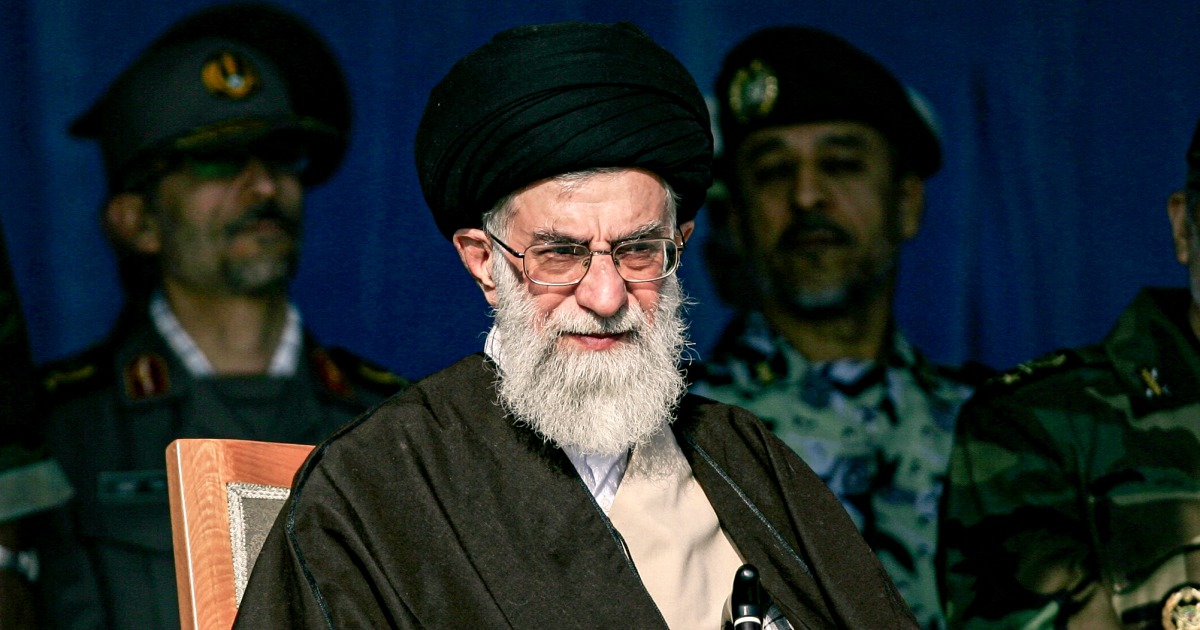
Following Ayatollah Ruhollah Khomeini's death, Ali Khamenei strategically positioned the IRGC to gain economic and military control, consolidating power in
Background and Ascendancy
Following Ayatollah Ruhollah Khomeini's death in 1989, Ali Khamenei was not initially considered a natural successor as supreme leader of Iran's Islamic Republic. However, he gained support through the backing of Ayatollah Akbar Hashemi Rafsanjani and other clerics. Over the subsequent decade, Khamenei strategically positioned the Islamic Revolutionary Guard Corps (IRGC) and its top commanders to become both the country's premier military force and a key economic power.
Economic and Military Control
The IRGC oversaw vast economic foundations that controlled significant portions of Iran’s economy, consolidating its influence. In return, these commanders became Khamenei’s loyal inner circle, facilitating domestic stability through suppression of unrest and exporting revolutionary ideology to regions like Lebanon, Gaza, Iraq, and Yemen.
Challenges to Authority
Khamenei faced his first significant challenge when reformist cleric Mohammad Khatami was elected president in 1997. Khatami advocated for increased social freedoms, which Khamenei initially tolerated. However, Khamenei’s response became more assertive with each subsequent wave of street protests in 1999, 2009, 2019, and the past two months. His crackdowns were marked by killings, mass arrests, and documented human rights abuses.
Regional Influence and Foreign Policy
Khamenei seized an opportunity during the U.S. invasion of Iraq in 2003 to increase Iran’s influence. He tasked the Quds Force, a foreign services branch of the IRGC, to work with allied Shiite militias to target American forces. This aligns with his long-standing anti-American rhetoric and has been cited as justification for Trump's criticisms.
Nuclear Deal and Anti-American Stance
In 2015, Khamenei showed a pragmatic approach by agreeing to the Joint Comprehensive Plan of Action (JCPOA), an agreement that limited Iran’s nuclear program in exchange for lifting economic sanctions. However, when President Donald Trump withdrew from the deal in 2018, Khamenei reverted to his anti-American stance, arguing that the U.S. was unreliable.
Conclusion
Khamenei's leadership has been marked by a blend of strategic pragmatism and unwavering opposition to foreign influence, particularly from the United States. His response to domestic dissent and regional politics underscores his enduring grip on power within Iran’s political landscape.
Source: Read Original Article
Post a Comment