
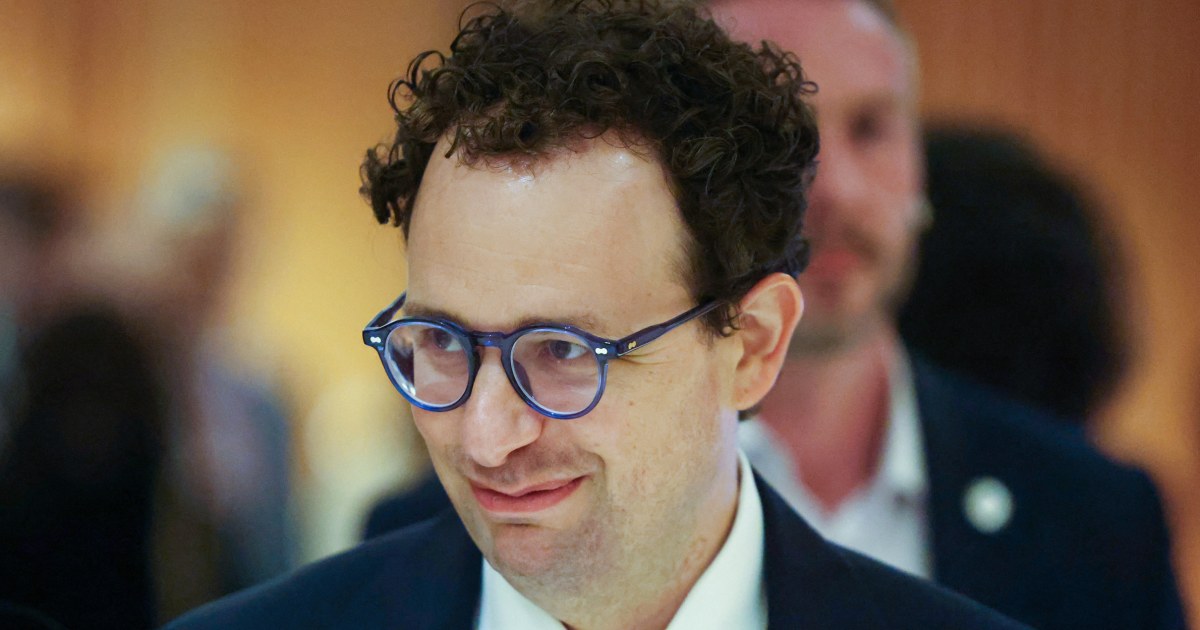
Federal agencies are banned from using Anthropic's AI services due to national security concerns. The ban was issued by President Trump and enforced by the
Federal Ban on Anthropic's AI Services
President Donald Trump issued a directive banning federal agencies from using services provided by Anthropic, an artificial intelligence (AI) company. The decision was announced via a post on Truth Social and followed months of tensions between the Defense Department and Anthropic over military applications of its systems.
National Security Concerns and Supply Chain Risks
In response to Trump's order, Pete Hegseth, the U.S. Secretary of Defense, declared that the Defense Department would label Anthropic as a "Supply-Chain Risk to National Security." This designation is typically reserved for foreign entities and restricts military contractors from engaging in business with them. Both Trump and Hegseth set a six-month timeframe for federal agencies to phase out their interactions with Anthropic.
OpenAI's Counter-Move and Safety Principles
Hours after the announcement, Sam Altman, CEO of OpenAI, announced that his company had secured a deal with the Department of Defense to deploy its models on classified networks. This agreement underscores the ongoing efforts by both sides to navigate complex ethical and operational concerns in AI deployment.
Anthropic's Response and Legal Challenges
Anthropic swiftly responded with a statement asserting it had not received direct communication from the Pentagon or Trump. The company pledged to challenge any supply chain risk designation in court, arguing that such measures would be "legally unsound" and set a dangerous precedent for American companies negotiating with the government.
Industry Pushback and Ethical Concerns
The AI industry has rallied against the federal ban, issuing an open letter signed by prominent tech leaders. The letter criticizes the punitive approach as shortsighted and potentially antithetical to U.S. national security interests.
Legislative Calls for De-Escalation
Lawmakers from both parties have called on all sides to de-escalate tensions. Senators Ed Markey and Chris Van Hollen warned that threatening American companies with legal action for refusing government demands represents an "abuse of government power." Rep. George Whitesides expressed concern over the potential acceleration of AI deployment without adequate safeguards.
Security Implications and Future Outlook
The ban raises significant security concerns, particularly regarding the use of AI in defense operations. The tension between Trump's administration and Anthropic highlights broader challenges in balancing innovation with safety and ethical considerations.
Background on Defense-AI Collaboration
Decisions regarding defense-related artificial intelligence (AI) initiatives are currently driven by a careful balancing act between strategic analysis and political considerations. Unlike many defense technologies, which have traditionally been developed within government or military sectors, today’s leading AI systems have primarily emerged from the private sector. Companies such as Anthropic, OpenAI, and Google have taken the lead in developing these advanced models.
Anthropic's Unique Position
Until recently, Anthropic stood out among its peers by being the sole major AI company authorized to offer services on classified networks. This unique position underscored the Pentagon’s growing need for AI capabilities that could operate within sensitive environments where data security and confidentiality are paramount. The decision to allow Anthropic to serve on such networks was a significant milestone, reflecting the trust placed in its technology.
OpenAI's Response
In a memo distributed to employees on Thursday evening, Sam Altman, CEO of OpenAI, outlined his company’s intentions regarding AI usage policies. Altman stated that if given similar access, OpenAI would adopt Anthropic’s approach. He firmly believes that AI should not be utilized for mass surveillance or autonomous lethal weapons and emphasized the importance of human oversight in high-stakes automated decision-making processes.
Industry-Wide Implications
Altman’s statement extends beyond just a single company's policy. It signals a broader stance by the industry on ethical AI practices, highlighting the need for consensus among leading tech firms. The Pentagon faces challenges in negotiating terms with various private-sector players, each potentially offering different levels of security and reliability.
Uncertainty Among Competitors
The response from other leading AI companies has been notably absent so far. Google, Meta (formerly Facebook), and xAI have not provided comments on their potential future approaches to collaborating with the Pentagon or their stance on AI ethics. This lack of immediate clarification adds an element of uncertainty to ongoing negotiations and future collaboration frameworks.
Conclusion
As the defense industry continues to integrate advanced AI technologies, maintaining a balance between technological innovation and ethical considerations becomes increasingly critical. The actions and statements from leading companies like Anthropic and OpenAI will likely set new benchmarks for the AI sector’s engagement with military networks and operations.
Source: Read Original Article
Post a Comment