
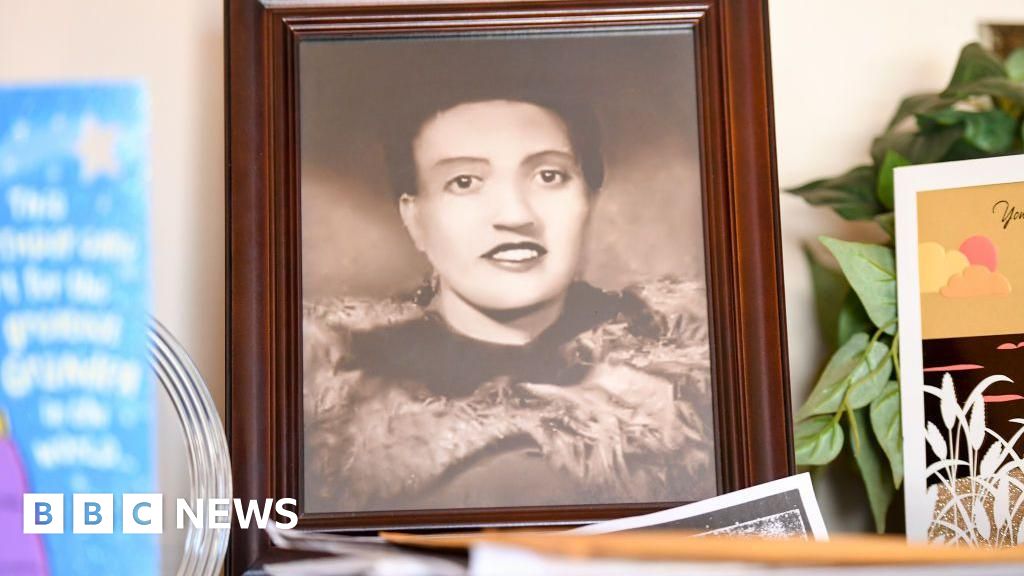
HeLa cells, derived from Henrietta Lacks' cancer in 1951, have been pivotal in medical research and vaccine development, sparking ethical debates.
Discovery and Global Impact
The cell line known as "HeLa" has been a cornerstone in medical research for decades. Named after Henrietta Lacks, whose cancer cells were taken without her knowledge or consent in 1951, HeLa cells have played an integral role in numerous scientific breakthroughs.
Historical Context and Ethical Considerations
Initially isolated from Lacks' cervical tumor, the cells rapidly multiplied outside the body, making them the first immortal human cell line. This unprecedented growth made HeLa cells a pivotal resource for medical researchers worldwide. Despite their immense value, ethical concerns surrounding the use of patient-derived tissues without informed consent have sparked ongoing debates in the scientific community.
Contributions to Medicine
According to the World Health Organization (WHO), HeLa cells have contributed significantly to various medical advancements. Notably, they played a crucial role in the development of the polio vaccine by Jonas Salk. Beyond this breakthrough, these cells have also facilitated research into HIV, cancer, and infertility treatments, contributing to substantial improvements in human health.
Ethical Implications
The use of HeLa cells has raised important ethical questions about patient consent and the handling of biological materials in scientific research. As awareness grows, efforts are increasingly focused on ensuring that patients' rights and confidentiality are respected while maintaining the critical role of these cells in medical innovation.
Source: Read Original Article
Post a Comment