
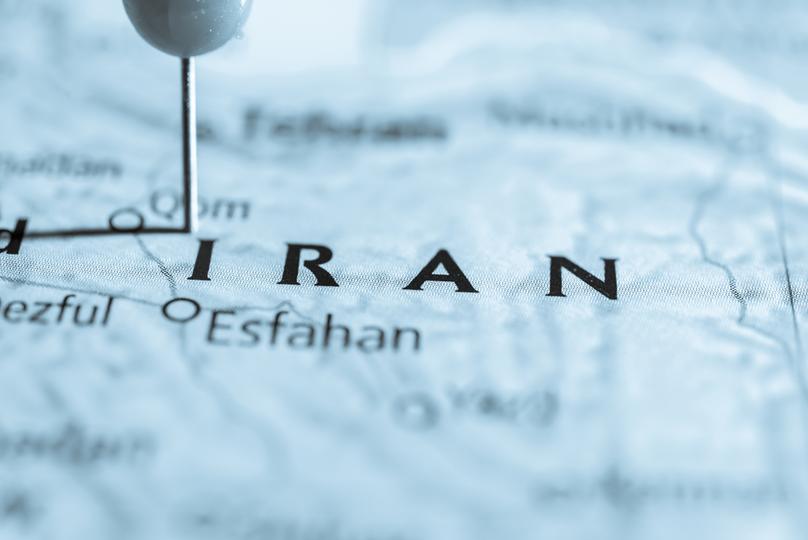
Fresh U.S. and Israeli strikes highlight Iran's crypto mining and stablecoin economy, vital for circumventing sanctions.
Iranian Crypto Mining and Stablecoin Economy Resilience
Fresh U.S. and Israeli strikes on Iran have drawn attention to a financial network Tehran has built: cryptocurrency mining and a growing stablecoin economy. In 2019, Iran legalized crypto mining, allowing operators to use subsidized electricity in exchange for selling mined Bitcoin (BTC) to the central bank. Bitcoin serves as a tool for paying imports and settling trade outside the dollar system.
Iranian Crypto Mining's Global Impact
Estimates suggest that between 2% and 5% of global bitcoin mining power originates from Iran, with much activity occurring out of public view. Blockchain analytics firm Chainalysis reported that Iran’s crypto ecosystem reached $7.78 billion in 2025, growing faster than the year before—a figure comparable to some smaller countries' GDPs.
Iranian Military's Involvement
The Islamic Revolutionary Guard Corps (IRGC), a primary branch of Iran’s military, has deepened its role in this space. Chainalysis estimates that IRGC-linked addresses accounted for over 50% of total Iranian crypto inflows in the fourth quarter of 2025, with over $3 billion in value received last year.
Adoption Mechanisms and Stablecoins
Stablecoins play a crucial role within Iran's crypto ecosystem. The country’s central bank accumulated at least $507 million in USDT (a stablecoin pegged to the U.S. dollar) by 2025, likely to stabilize the rial and finance trade. However, data shows that the rial has lost over 96% of its value against the USD.
Economic and Political Implications
During recent protests and internet blackouts, withdrawal activity from local exchanges to personal wallets rose sharply. Large mining operations require steady power; Iran has imposed seasonal bans in the past to ease grid strain. A sustained conflict could reduce Iran's mining capacity but not eliminate it entirely, as global miners would adapt.
Geopolitical Risks and Financial Controls
Iranian crypto activity correlates with political flashpoints, including missile exchanges and internal protests. During unrest, exchange outflows rise as users pull funds into private wallets. The IRGC uses cryptocurrency for moving value across its network of affiliates and commercial fronts, with inflows to IRGC-linked addresses totaling $2 billion in 2024 and exceeding $3 billion in 2025.
Financial Regulation and Corporate Involvement
The renewed military campaign has increased risk for the crypto ecosystem. Binance recently faced accusations that it fired investigators who raised concerns about funds moving through the exchange to sanctioned, Iran-linked entities, leading to U.S. Senate Democrats requesting probes into Binance's illicit finance controls.
Source: Read Original Article
Post a Comment