
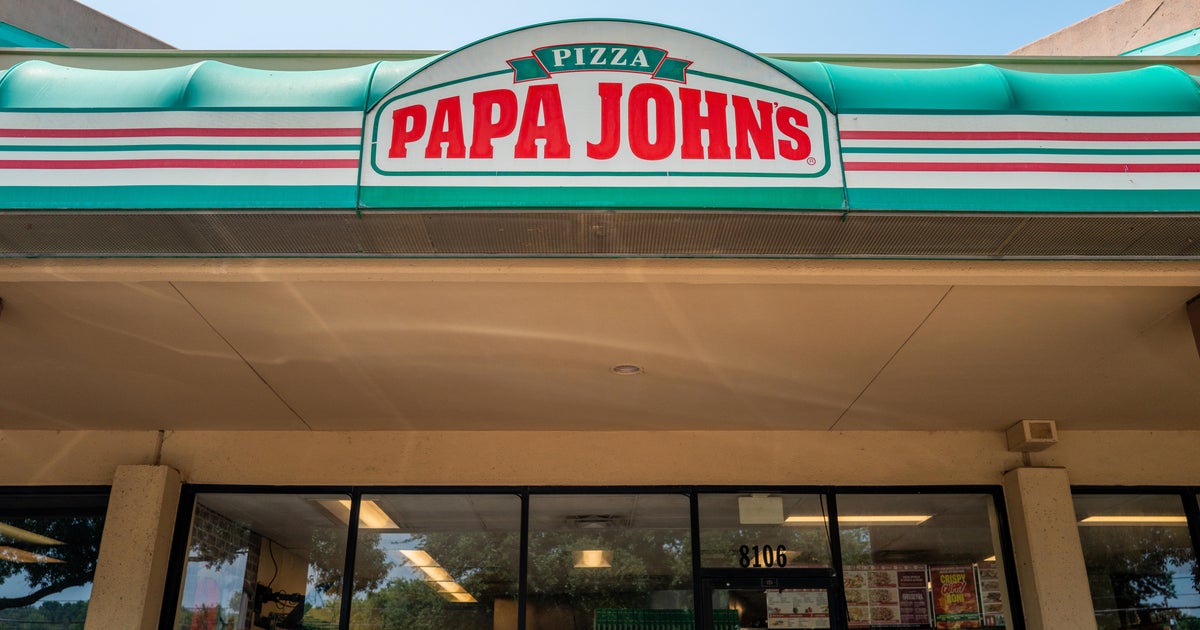
Papa John's plans to close 300 outlets by 2027 to enhance efficiency and streamline operations. Closures due to underperformance and strategic transfers.
Company's Strategy: Cost Cuts and Realignment
Papa John's, facing challenges in boosting domestic sales and driving growth, has announced plans to close 300 of its outlets by the end of 2027. Chief Financial Officer Ravi Thanawala disclosed this in a recent earnings call with Wall Street analysts.
Closure Reasons: Performance and Strategic Transfers
The decision to shutter certain locations stems from two primary reasons—restaurants that are underperforming and failing to meet brand expectations, as well as those where sales can be effectively transferred to neighboring stores. This strategic move aims to optimize operational efficiency and streamline the company's portfolio.
Timeline and Current Status
Papa John's plans to scale down operations by closing 200 of its locations by the end of 2025. The remaining 100 outlets are scheduled for closure by the conclusion of the subsequent year. Currently, the pizza chain operates across approximately 6,000 locations in around 50 countries and territories.
Financial Performance and Share Impact
The restructuring is part of a broader effort to address financial challenges. In February 2025, Papa John's reported revenues of $2.1 billion, marking no change from the previous year. Profits, however, showed signs of contraction. The company's stock price has also taken a hit, dropping by 31% over the past year and trading at $31.85 on recent exchanges.
Workforce Reduction: Cost Cutting Measures
Alongside closure plans, Papa John's is implementing additional cost-cutting measures. Thanawala reported that the company had reduced its corporate workforce by 7%. As of March 2025, this reduction brought the global workforce to 104,000 employees, including both corporate and in-store staff.
Conclusion
These actions underscore Papa John's commitment to repositioning itself for long-term success amidst a competitive market. While the immediate impact on operations and employment is significant, the company remains focused on sustainable growth strategies.
Source: Read Original Article
Post a Comment