
Meta Description: Analysis of economic downturns triggered by Iran tensions and job market losses, highlighting rising unemployment and stagflationary risk
Economic Uncertainty Following Iran Report
Shortly after a significant report emerged, President Donald Trump tweeted, “There will be no deal with Iran except UNCONDITIONAL SURRENDER!” This statement was swiftly followed by a sharp downturn in stock markets. By late afternoon trading, the S&P 500 had fallen more than 1%, the Dow Jones Industrial Average had dropped by 475 points, and the Nasdaq Composite had tumbled 1.1%.
Job Market Struggles
Simultaneously, a concerning labor market report indicated that the economy lost 92,000 jobs in February. This development, coupled with downward revisions to the previous two employment reports, further exacerbated the economic challenges. Elyse Ausenbaugh, head of investment strategy at J.P. Morgan Wealth Management, commented, "The pace of job gains over the last few months is still dramatically slower than it was in 2024 and much of 2025."
Oil Prices and Stagflationary Risks
The economic outlook was further complicated by higher oil prices due to ongoing conflicts in the Middle East. The possibility of renewed tariff uncertainty also added to the economic complexity. According to Ausenbaugh, "Add higher oil prices given conflict in the Middle East and renewed tariff uncertainty to the convoluted jobs market story, and you have a tricky, stagflationary mix of risks in the backdrop for the Fed."
Addressing Consumer Affordability Crisis
The Trump administration faces significant pressure to address an affordability crisis that has persisted since the president's return to office. In 2024, Trump campaigned on a pledge to "cut your energy costs in half within 12 months." However, inflation surged after the introduction of extensive tariffs in April. Despite efforts to retract some tariffs, inflation remains above 2%, which the Federal Reserve considers a threshold of acceptability.
Gas Prices and Venezuela's Role
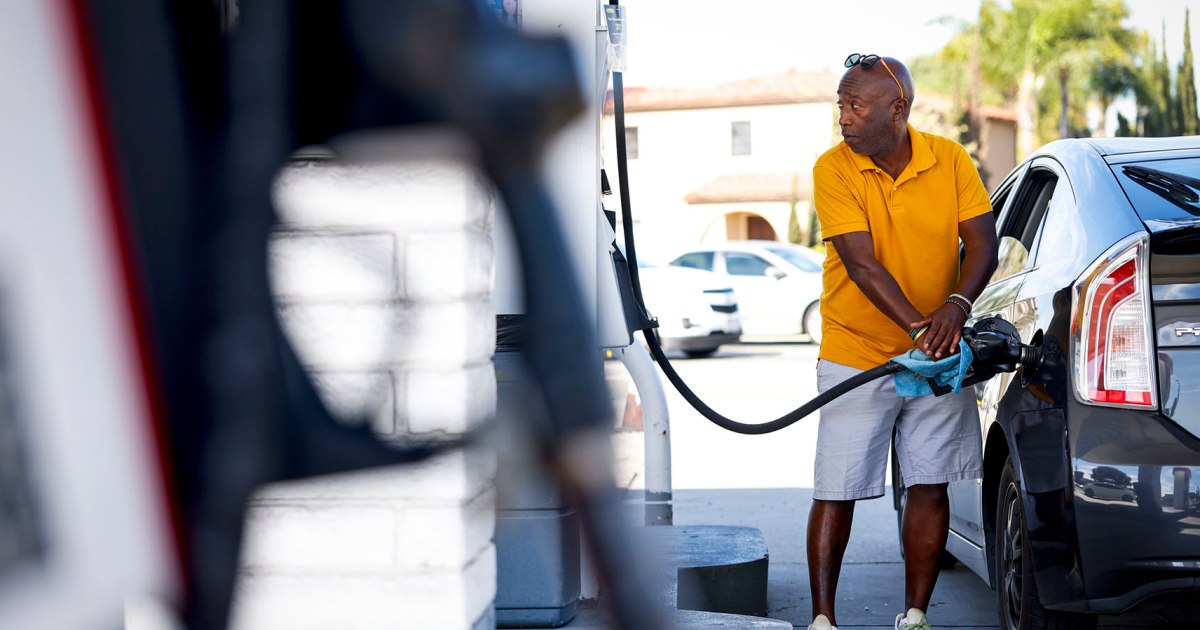
Administration officials had hoped that capturing Venezuela's president, Nicolás Maduro, and opening up the country's economy would lead to a decrease in gas prices. However, oil companies remain skeptical about investing in Venezuela. President Trump addressed the gas price issue, stating, "Gas prices will 'drop very rapidly when this is over, and if they rise, they rise, but this is far more important than having gasoline prices go up a little bit.'"
Conclusion
The confluence of these factors—tensions with Iran, job market struggles, rising oil prices, and inflation—has created a complex economic environment. The Trump administration continues to grapple with these issues as it seeks to improve the economic conditions for American consumers.
Source: Read Original Article
Post a Comment