
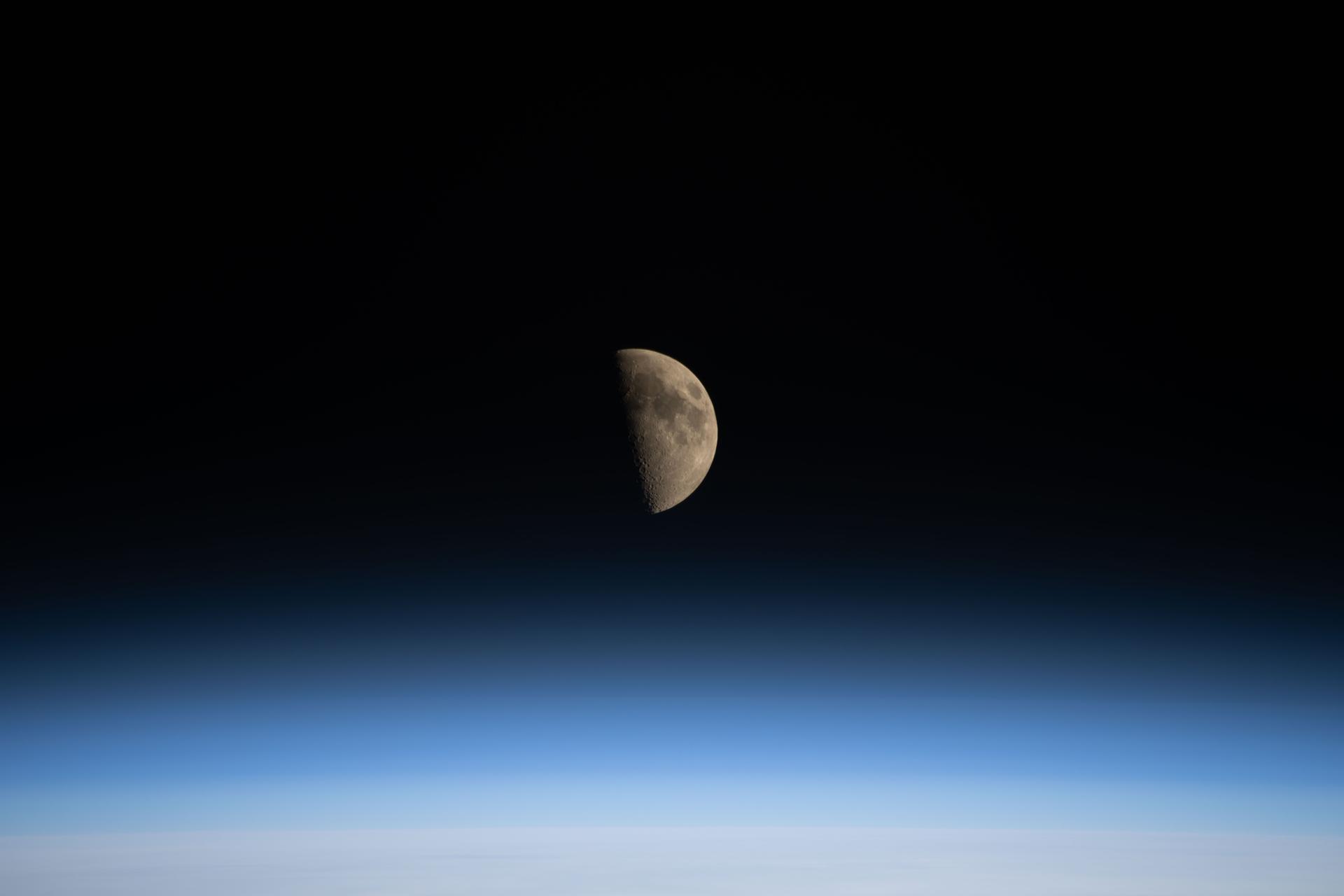
NASA's Artemis program plans annual lunar missions starting 2027, with Artemis II set for a 10-day moon orbit in 2024. Updates on mission architecture focu
Overview of NASA's Artemis Program
NASA has announced plans to increase the frequency of missions under the Artemis program, with a focus on standardizing the Space Launch System (SLS) rocket configuration. The updated strategy aims to achieve one lunar mission per year, starting in 2028, with the first mission scheduled for 2027.
Artemis II: Crewed Flight Around the Moon
The Artemis II mission will see Commander Reid Wiseman, Pilot Victor Glover, Mission Specialist Christina Koch, and Mission Specialist Jeremy Hansen from the Canadian Space Agency (CSA) embark on a 10-day journey around the Moon. This mission, following a successful wet dress rehearsal, encountered a helium flow issue with the interim cryogenic propulsion stage, leading to a rollback to the Vehicle Assembly Building for repairs. Engineers are currently addressing these issues and preparing for the next launch window in April.
Updated Mission Architecture
To achieve the goal of landing American astronauts on the Moon's surface, NASA has revised its mission architecture. The new strategy includes a demonstration mission in low Earth orbit in mid-2027 to test commercial landers from SpaceX and Blue Origin. Additionally, the first Artemis lunar landing is targeted for early 2028, with the second stage of the SLS rocket being standardized for the Artemis IV mission. The interim cryogenic propulsion stage will be replaced, and the Exploration Upper Stage and Mobile Launcher 2 are no longer planned due to development delays.
Future Missions and Lunar Exploration
Following Artemis IV, NASA anticipates launching Artemis V by late 2028, using the standardized SLS rocket configuration. This mission is part of a broader strategy to conduct one lunar mission per year thereafter. By standardizing the SLS rocket and other systems, NASA aims to enhance mission readiness and reduce overall costs, ultimately supporting the goal of sustainable lunar exploration and eventual Mars missions.
NASA's Artemis Program: Building a Moon Base and Preparing for Mars
NASA is currently in the planning stages for its Artemis program, which aims to establish a sustainable human presence on the Moon. The mission also sets the stage for further exploration, with the ultimate goal of preparing for crewed missions to Mars.
Key Components of the Artemis Mission
NASA is refining its architectural plans for a Moon base, which will serve as a stepping stone for deeper space exploration. The agency plans to share detailed information about its approach to lunar exploration and crew assignments in the coming months.
Scientific and Economic Benefits
The Artemis program is driven by a desire to expand human knowledge and push the boundaries of scientific discovery. Additionally, it seeks to foster economic benefits through partnerships with private industry and international collaborators.
Strategic Phases of the Artemis Program
1. **Initial Lunar Exploration**: NASA will send Artemis astronauts on increasingly challenging missions to explore more of the Moon's surface.
2. **Establishing a Sustainable Presence**: The program aims to create a long-term base on the Moon, supporting future missions and research.
3. **Mars Preparation**: The groundwork laid on the Moon will serve as a foundation for the first crewed missions to Mars.
Resources and Information
For more details about the Artemis program, including updates on its development and mission plans, visit the official NASA website:
This structured approach ensures a clear and concise presentation of the Artemis program's objectives and plans, catering to a professional newsroom style.
Source: Read Original Article
Post a Comment