
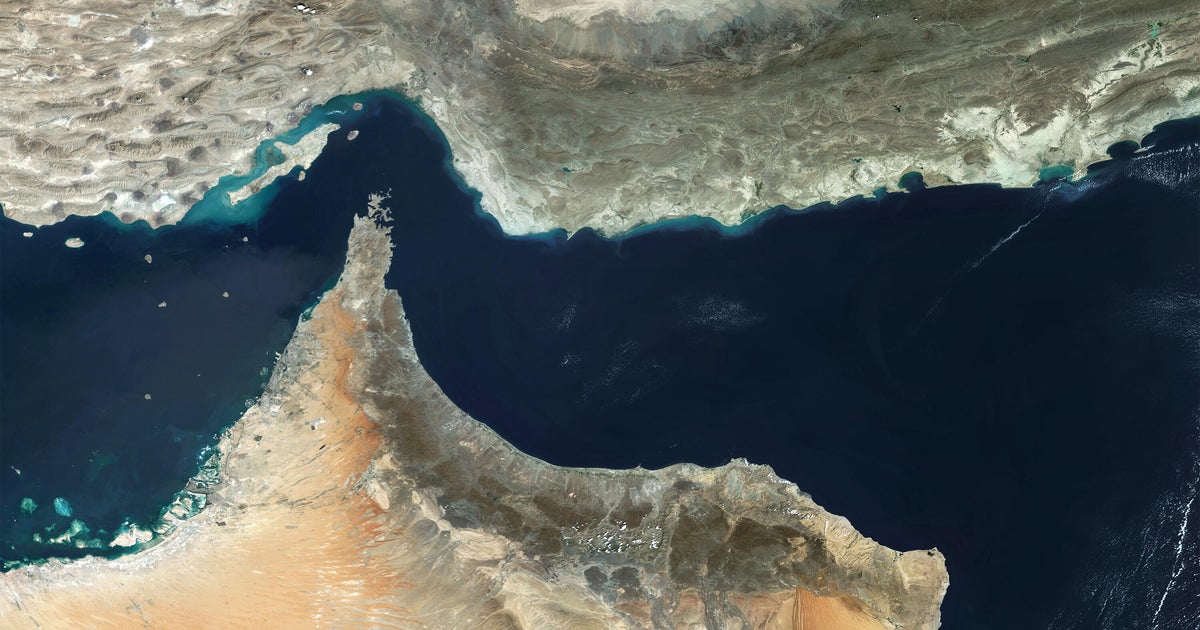
Strategic chokepoint of the Strait of Hormuz faces significant maritime traffic disruptions due to recent hostilities, potentially leading to increased glo
Strategic Significance of the Strait of Hormuz
The Strait of Hormuz is a narrow but vital maritime passage connecting the Persian Gulf with the Arabian Sea and the Gulf of Oman. At its narrowest point, it spans just 21 miles, yet this strategic chokepoint accounts for approximately 20% of global oil shipments—approximately 20 million barrels per day (mbpd) as of recent data.
Recent Developments in the Strait
Since hostilities began between the U.S., Israel, and Iran last week, maritime traffic through the strait has significantly slowed. Major shipping companies such as Maersk and Hapag-Lloyd have halted all operations due to heightened security risks, leading to a virtual standstill of oil tankers passing through.
Economic Impacts on Global Markets
Analysts warn that prolonged disruption in oil supplies from the Strait of Hormuz could lead to a sharp increase in energy costs. With U.S. gas prices already sensitive to global market dynamics, any significant reduction in tanker traffic would exacerbate these concerns. Kevin Book, managing director at Clearview Energy Partners, highlighted potential challenges: "Infrastructure risks are not limited to deliberate attacks; shrapnel and debris from missile interceptions can also disable facilities."
Potential Long-Term Consequences
The duration of the conflict is a critical factor. According to Arne Lohmann Rasmussen from Global Risk Management, an extended closure could have epochal effects on the oil market. Jim Burkhard of S&P Global Research stated that even a week-long disruption would be historic, with prices rising sharply as supply becomes scarce.
Financial and Economic Ramifications
An extended shutdown of the strait could result in oil prices exceeding $100 per barrel, significantly impacting global economic stability. According to Benny Wong from Pitchbook, while U.S. reserves provide some cushion against short-term price spikes, prolonged disruptions would likely lead to severe economic consequences.
Alternatives and Their Limitations
While alternative routes exist, such as the East-West Pipeline in Saudi Arabia or the Abu Dhabi Crude Oil Pipeline, these can only handle a fraction of the daily oil volumes typically transported through the Strait. Murat Usubali from Anadolu Agency noted that "there are no meaningful alternatives to this flow," underscoring the critical nature of the Strait of Hormuz for global energy security.
Conclusion
The current situation in the Strait of Hormuz underscores its strategic importance not only for Iran but also for global economic stability. Any prolonged disruption could have profound and far-reaching consequences, emphasizing the need for robust international cooperation to mitigate risks and ensure continued energy supply.
Source: Read Original Article
Post a Comment