
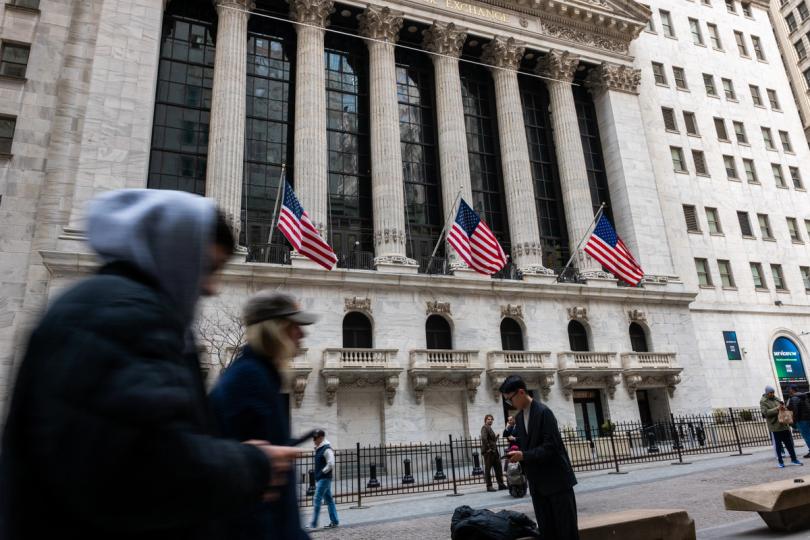
Tokenization in U.S. markets offers faster settlements but faces skepticism from institutional investors due to funding and operational concerns.
Tokenization in U.S. Markets: A Dual-Edged Sword
Wall Street is increasingly exploring tokenized equities, driven by the potential for near-instant settlements and 24/7 trading. This technology involves representing traditional assets, such as stocks, on blockchain networks. The vision of a more modern market infrastructure has gained traction, with key exchanges like ICE and Nasdaq forming significant partnerships with crypto exchanges. However, the shift faces skepticism from many institutional investors, who are cautious about the immediate settlement model.
Institutional Investor Skepticism: Frictions and Funding Concerns
"Institutional investors generally do not like instant settlement," cautions Reid Noch, vice president of U.S. equity market structure at TD Securities. While the technology could streamline back-end operations, it introduces new challenges. Noch explains that current U.S. market practices settle trades one business day after execution (T+1), allowing brokers to manage positions and funding. Instant settlement requires full funding before transactions occur, a change that could increase costs and reduce liquidity.
The Retail Investor Perspective: Embracing Tokenization
Retail traders might adopt tokenized markets more readily. The benefits, such as holding shares directly in digital wallets and trading outside traditional market hours, are more appealing to individual investors. Retail accounts for about 20% of U.S. equity trading volume, with higher participation in certain stocks. For international retail investors, the ease of opening accounts on crypto platforms could outweigh the current complexity of traditional brokers. Over time, institutional participation could increase as retail liquidity shifts.
Risks and Challenges of Market Fragmentation
The transition to tokenized markets also poses risks, particularly market fragmentation. If multiple versions of the same stock exist across different blockchains or platforms, it could undermine transparency and price discovery. Noch notes, "Generally, most companies only have one stock. If suddenly there are multiple tokenized versions with different rights or liquidity profiles, that could create confusion about what investors actually own."
Industry Momentum and Future Prospects
Despite these concerns, industry momentum continues to build. Exchanges are exploring longer trading hours, with some proposing nearly round-the-clock markets. Tokenization could eventually modernize infrastructure while gradually reshaping investor access to stocks. However, the technology is likely to advance more rapidly among retail traders than the dominant institutions in today's markets.
Source: Read Original Article
Post a Comment