
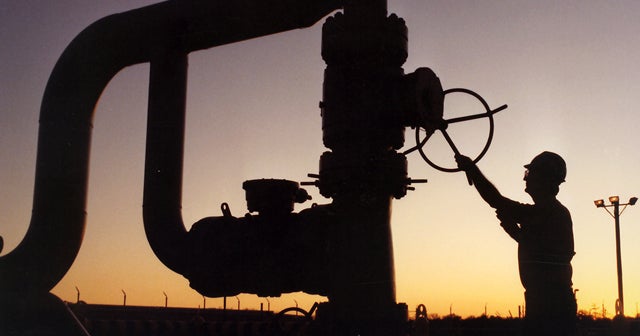
Strategic oil release of 172 million barrels from U.S. SPR begins next week, part of a global 400 million barrel IEA initiative to address rising oil price
Strategic Oil Release: A Part of Broader Global Efforts
President Donald Trump on Wednesday directed the release of 172 million barrels of oil from the United States' Strategic Petroleum Reserve (SPR) in response to rising oil prices, which had surged to multi-year highs amid tensions with Iran. The release, which will begin next week and span approximately 120 days, is part of a coordinated global release by the International Energy Agency (IEA), with 32 member countries, mostly U.S. allies, contributing 400 million barrels of oil.
SPR Release Details and Replenishment Plans
According to Energy Secretary Christopher Wright, the U.S. intends to replenish the SPR with 200 million barrels of oil over the next year. Wright emphasized that the SPR release was a strategic move to address current market conditions. "For 47 years, Iran and its terrorist proxies have been intent on killing Americans. They have manipulated and threatened the energy security of America and its allies," Wright stated, adding, "Under President Trump, those days are coming to an end."
Current Market Conditions and IEA's Role
As of late Wednesday, the benchmark U.S. crude oil price, West Texas Intermediate, was trading at approximately $92 per barrel, an increase of 7.2% over the course of the day. Prices remained stable following the announcement, as the release was widely anticipated. The SPR, stored in underground caverns in Texas and Louisiana, contained about 415 million barrels as of the previous week, while the IEA's member countries collectively hold over 1.2 billion barrels.
Strategic Context and Oil Supply Concerns
The release of oil from the SPR comes as a response to heightened tensions between the U.S. and Iran. Oil prices escalated after the U.S. and Israel initiated military strikes against Iran almost two weeks ago. Concerns over potential supply disruptions, coupled with reduced commercial traffic through the Strait of Hormuz, have kept prices at elevated levels. The strait, a critical oil chokepoint, handles around 20% of the world's oil, or 15 million barrels per day.
U.S. Response and Iran's Threats
President Trump has been working to mitigate the impact of these events. He offered insurance coverage for oil tankers and threatened severe strikes against Iran if it attempts to block the Strait of Hormuz. Iran, in turn, signaled it might deploy naval mines in the strait, prompting a strong response from Trump, who warned of "military consequences... at a level never seen before."
Expert Analysis and Limited Impact
While the release of oil from the SPR is intended to address immediate market concerns, experts argue that it is unlikely to resolve the underlying issues driving oil prices. Nicholas Mulder, a professor of history at Cornell University, stated, "The SPR can help, but it's not a silver bullet, and it's not going to take away all the pressure on consumer prices." Mulder further explained, "The war is driving up prices on the world market, and there isn't an easy way out."
Source: Read Original Article
Post a Comment