
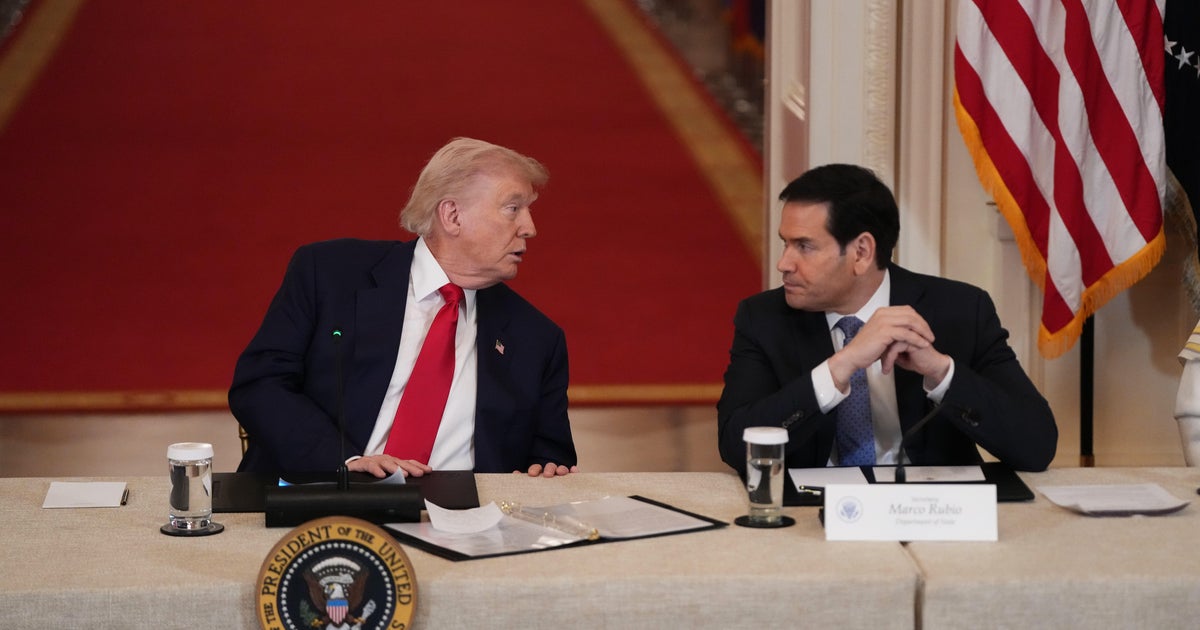
President Trump convened a White House summit to address financial challenges in collegiate sports, discussing an executive order and potential legislation
Overview of the White House Summit on College Sports
President Donald Trump convened a high-level summit in the East Room of the White House on March 6, 2026, to address concerns within the collegiate sports industry. The meeting brought together sports leaders, lawmakers, and representatives from major conferences, including the NCAA and the U.S. Olympic team. While the immediate focus was on the financial challenges facing college athletes and programs, the discussions also touched on broader issues affecting the entire collegiate system.
Executive Order and Proposed Legislation
During the summit, Trump emphasized the urgent need for reform, suggesting he would draft an "all-encompassing" executive order within a week. This move was seen as a response to the growing financial strain caused by the new Name, Image, and Likeness (NIL) compensation model, which has led to significant operational costs for many schools. Trump also mentioned the potential for legal challenges, indicating that his executive action could provoke lawsuits and further legal scrutiny of the current system.
In contrast, House Speaker Mike Johnson expressed optimism about the prospects of passing the Student, College, and Research Opportunity (SCORE) Act, a bill that has struggled to gain traction in the House. Johnson argued that the bill could serve as a foundation for legislative change, but the specifics of funding and implementation remained contentious.
Financial Challenges and Reforms
Several participants highlighted the financial challenges associated with the new NIL compensation model. Cody Campbell, a Texas Tech regent, proposed rewriting the Sports Broadcasting Act to allow college conferences to pool their TV rights. This proposal, which could potentially raise an additional $6 billion, was seen as a way to secure the future of football, basketball, and Olympic sports programs. However, this suggestion faced opposition from key stakeholders like the Southeastern Conference (SEC) and the Big Ten, who disputed the feasibility of such a model.
Greg Sankey, the Commissioner of the SEC, stressed the importance of addressing structural issues beyond immediate revenue concerns. Sankey advocated for a limited antitrust exemption for the NCAA, which faced opposition from Democrats. Additionally, Sen. Ted Cruz, who holds a key role in the legislative process, urged lawmakers to consider both the cost and revenue aspects of reform, warning that inaction could lead to the erosion of programs and scholarships.
Conclusion
The White House summit underscored the complex and multifaceted challenges facing the collegiate sports industry. While Trump's executive order and the SCORE Act represent potential solutions, the discussions highlighted the need for comprehensive and carefully crafted reforms to ensure the sustainability of college sports programs and the protection of student-athletes' rights and scholarships.
Source: Read Original Article
Post a Comment