
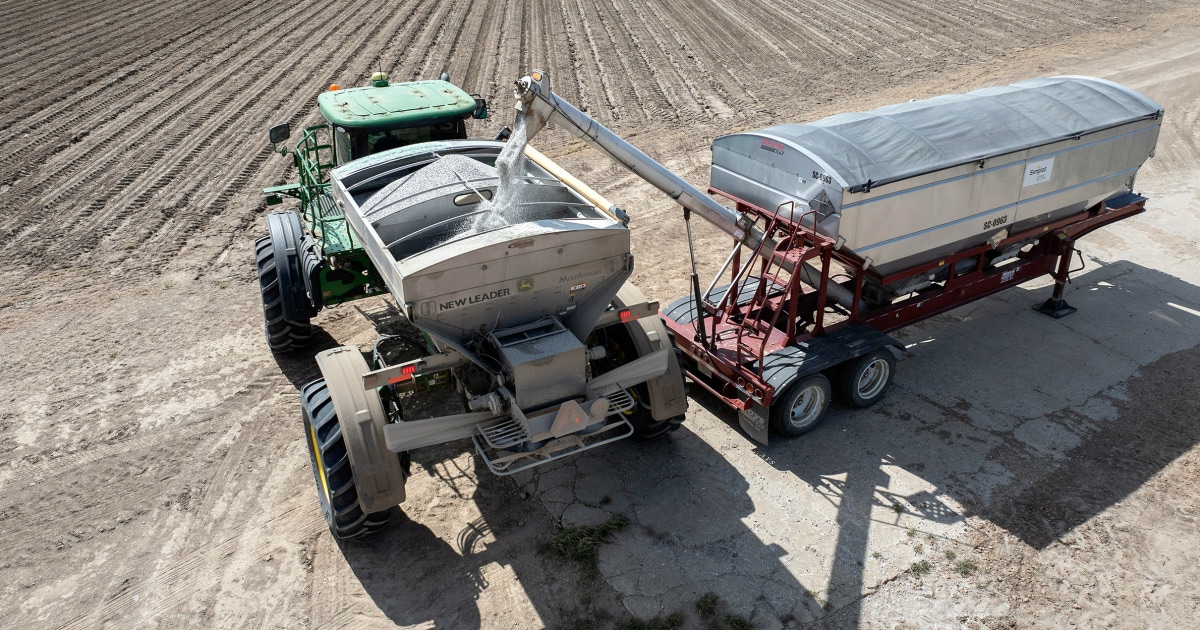
Fourth-generation Iowa farmer Mark Mueller warns of mounting economic pressures in agriculture due to industry consolidation, imports, and the Iran conflic
Crisis Looms: Farmers Face Economic Strain Amid Iran Conflict
Fourth-generation Iowa farmer Mark Mueller is deeply concerned about the current state of the agriculture industry, noting it may be on the brink of a significant crisis. "I am more worried now than I have been in my 30 years of farming," Mueller told NBC News.
Impact of Consolidation and Imports on Agriculture Costs
Mueller points to several factors contributing to the mounting pressure on farmers. Consolidation within the fertilizer industry has led to higher prices, while increased international competition has squeezed returns from crop sales. According to data from the American Farm Bureau Federation (AFF), in 2025, Chapter 12 farm bankruptcies reached 315, marking a 46% increase over the previous year.
Iran War Aggravates Economic Pressures
The Iran conflict is exacerbating these issues. Prior to the war, roughly one-third of global fertilizer ingredients and one-fifth of oil supplies transited through the Strait of Hormuz daily. Following U.S. and Israel's February 28 attack on Iran, Tehran effectively closed the strait, causing a significant disruption in supply chains.
Rising Fertilizer Prices Hit Farmers Hard
The closure has pushed up global fertilizer prices. Mueller observed that his nitrogen fertilizer cost $795 per ton before the war but jumped to $990 by mid-March—a nearly 24% increase. Meanwhile, diesel fuel for agricultural machinery now averages $5.51 nationwide, up from $3.76 just before the conflict.
Farming Practices Adapt in Response
Farmers are adjusting their practices in response to these challenges. Lance Lillibridge, a corn and cattle farmer from Vinton, Iowa, plans to reduce his fertilizer usage this year, expecting lower yields as a result. "If there's not the supply out there, then the price is going to go up," he said.
Economic Consequences Extend Beyond Farms
Economists predict that higher fertilizer prices could have far-reaching effects beyond farms. Gregory Daco, chief economist at EY-Parthenon, noted, "We may see these prices rise rapidly across grocery stores in the U.S." The impact is particularly pronounced with crops like corn, which are used in over 4,000 products.
Potential for Higher Consumer Prices
While price increases may not immediately translate to higher consumer costs at the supermarket, they could become more apparent as new crops are harvested and transported. "If you're feeling these costs now, it's only going to continue to increase as the supply chain fills with higher-cost goods," said Lillibridge.
Long-Term Economic Outlook
The Agriculture Department estimates that farm sector debt could reach a record $624.7 billion. With the Iran conflict likely to persist, economists warn of escalating challenges for farmers. "We're going on to year four of losses across the farm economy," said Faith Parum from the American Farm Bureau Federation.
Conclusion
The current situation highlights the vulnerability of America's agricultural sector and its potential ripple effects on consumer prices and supply chains nationwide. As the Iran conflict continues, the full extent of these economic impacts remains uncertain but is expected to grow more severe over time.
Federal Aid for Farmers: Trump Administration Announces $12 Billion Tranche
In December 2026, the federal government provided an additional financial lifeline to American farmers through a $12 billion aid package. This announcement followed years of support aimed at stabilizing and sustaining agricultural communities. During a White House event in March, President Donald Trump emphasized his commitment to further assistance, urging Congress to enact a new farm bill that would include provisions beneficial to the agricultural sector.
Pledges for Future Support
President Trump specifically pledged to advocate for year-round sales of E15—a fuel blend consisting of 85% regular gasoline and 15% ethanol. According to the American Farm Bureau Federation, this initiative could lead to cost savings at the pump while creating new markets for domestically grown crops. The president's remarks were made in front of an audience that included key agricultural stakeholders.
Farmer Perspectives: Concerns and Caution
Despite the promises of support, not all farmers shared a positive outlook. Karl Mueller, a representative from his community, attended the White House event with other local farmers but expressed skepticism about the tangible benefits. Describing Trump's remarks as "empty calories," Mueller likened them to a motivational speech lacking in concrete proposals.
Mueller voiced significant concerns regarding the long-term impact of these pressures on the agricultural industry. He warned that sustained challenges could lead to fewer farmers, potentially resulting in reduced consumer options and increased prices. Additionally, Mueller predicted that farmers might experience narrower profit margins due to these ongoing difficulties.
Broader Context: Agricultural Pressures
The announcement of additional aid came against a backdrop of escalating challenges facing American agriculture. These pressures are compounded by geopolitical tensions and economic uncertainties, making the agricultural sector more vulnerable than ever before. As policymakers continue to deliberate on future support mechanisms, stakeholders await decisive actions that can provide long-term stability for farmers and ensure the ongoing vitality of America's agricultural industry.
Conclusion
While the Trump administration has committed to bolstering support for American farmers through increased financial aid and policy proposals like year-round E15 sales, many remain cautious about the effectiveness of these measures. As the debate on agriculture continues, it is crucial that policymakers address the multifaceted challenges facing farmers with comprehensive strategies that can secure their future.
Source: Read Original Article
Post a Comment