
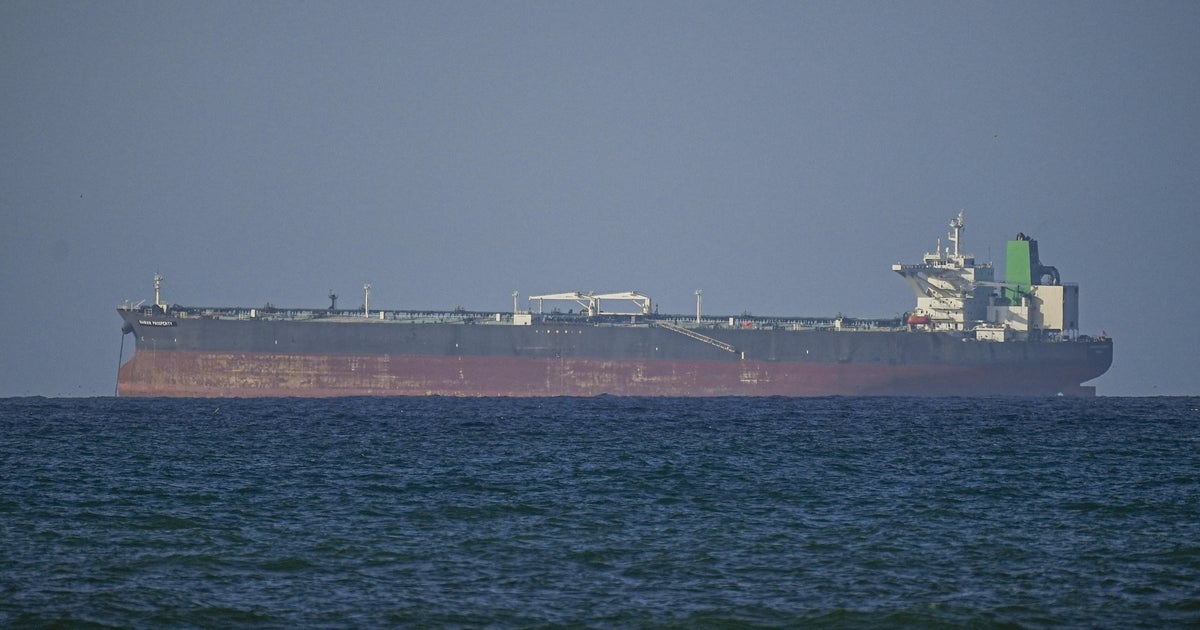
U.S. Navy destroyers transit the Strait of Hormuz to initiate mine-clearing operations, with additional assets and drones joining to support the effort.
Operation Initiated: U.S. Navy Initiates Mine-clearing Effort
Two U.S. Navy destroyers recently transited through the Strait of Hormuz to commence mine-clearing operations in the vital waterway, as announced by U.S. Central Command (CENTCOM). The ships crossed into the Arabian Gulf and began their mission on Saturday.
Enhanced Operational Support: Additional Assets Join the Effort
In support of these initial operations, additional U.S. forces are expected to join the mine-clearing effort in the coming days. This includes the deployment of underwater drones designed for enhanced detection and removal capabilities.
President Trump's Statements: A Favor to the World?
U.S. President Donald J. Trump made a statement on Saturday through his social media platform Truth Social, asserting that the U.S. was "doing a favor" by clearing mines from the strait. He also claimed that Iran’s mine-laying ships had been destroyed but later acknowledged that some mines might still be present.
Iranian Response: Threats and Conditions
In response to these actions, the Iranian Revolutionary Guards issued a statement through state broadcaster IRIB, threatening severe consequences for any military vessels attempting to transit the Strait of Hormuz. They emphasized their authority to manage the strait intelligently and stipulated that passage would only be granted to civilian vessels under specific conditions.
High-Level Diplomatic Engagement: Trilateral Talks
Simultaneously, Vice President Mike Pence was in Islamabad for direct trilateral talks with Iran and Pakistan. This marked the first time since the Islamic Revolution of 1979 that high-level direct discussions between the U.S. and Iran had taken place. The previous highest-level contact occurred when then-President Barack Obama called Hassan Rouhani in September 2013 to discuss Iran's nuclear program.
Intelligence Reports: Evidence of Underwater Mines
American intelligence assessments indicate that at least a dozen underwater mines, including the Maham 3 (a moored naval mine) and the Maham 7 (a sticking mine), have been placed in the waterway. These devices are manufactured in Iran and pose significant threats to maritime traffic.
Impact on Global Oil Supply: Persistent Challenges
The Strait of Hormuz is a critical passage through which approximately 20% of the world’s oil supply passes. The recent conflict has led to disruptions, with marine traffic remaining low even after a two-week ceasefire was established. Analysts warn that the global oil supply will remain disrupted for several months despite these efforts.
Conclusion: Long-term Recovery
The recovery process is expected to be lengthy, as repair work on damaged energy infrastructure and resumption of normal operations by shipping companies in the region are anticipated to take at least two months. The ongoing situation highlights the complex geopolitical dynamics involved in ensuring the safe passage of vital maritime trade routes.
Source: Read Original Article
Post a Comment