
NASA announces Artemis program overhaul following safety panel report, addressing critical issues with the original plan's safety margins. Collaboration wi
Artemis Overhaul Announced Following Safety Panel Report
The Artemis program overhaul was announced just two days after the release of a report by the Aerospace Safety Advisory Panel. The panel had highlighted significant safety concerns with NASA’s original plan, which aimed to directly transition from the Artemis II mission to a lunar touchdown in 2028 using a SpaceX lander. According to the panel's findings, the current plan did not have sufficient margin for safety and was deemed unrealistic.
Core Issues Addressed
Isaacman’s proposed plan appears to address many of these critical issues raised by the safety panel. The new strategy involves accelerating the development of the lander, a task that will be carried out in collaboration with both SpaceX and Blue Origin, both of which are on board with this initiative. Isaacman also engaged Boeing, which manages the SLS rocket and builds its massive first stage, United Launch Alliance (ULA), which manufactures the upper stage, and Lockheed Martin, the Orion spacecraft builder, among other Artemis contractors.
Agreement from Key Partners
"All of our partners have expressed their agreement," an official statement noted. Steve Parker, President and CEO of Boeing Defense, Space & Security, echoed this sentiment in a statement: "Boeing is proud to be part of the Artemis mission and stands ready to support NASA's vision for American space leadership." SpaceX responded with a similar message: "We look forward to working with NASA to advance our shared goal of establishing a sustainable human presence on the lunar surface."
Changes to SLS Rocket Architecture
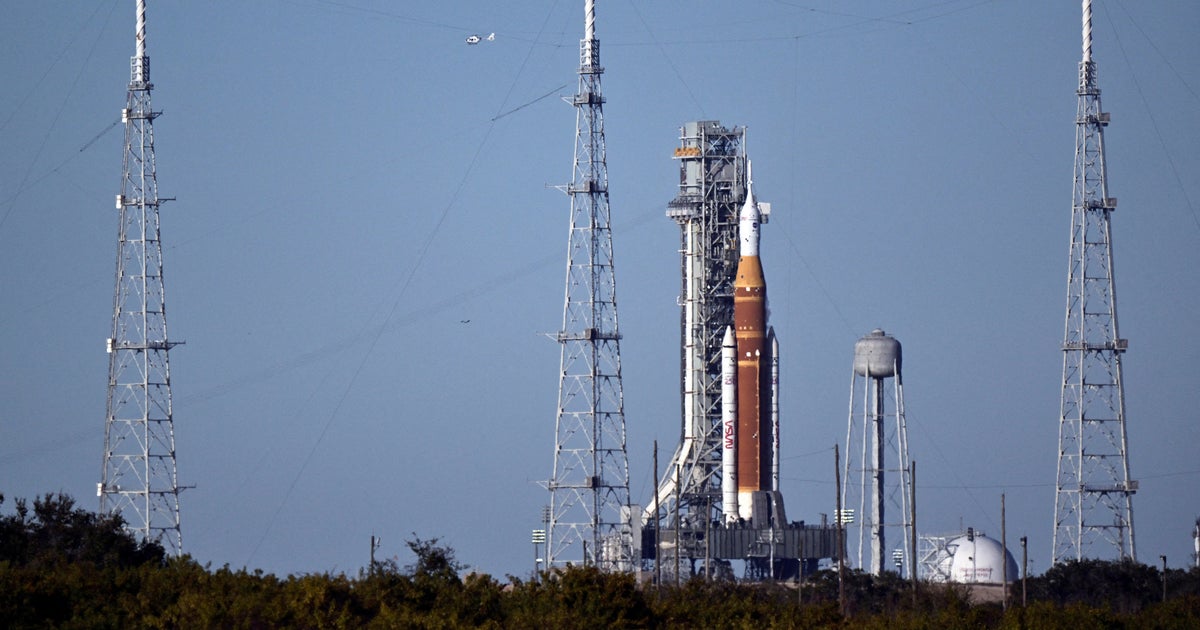
In response to the panel’s concerns, NASA has decided to halt work on developing the more powerful Exploration Upper Stage (EUS). Instead, it will proceed with a less powerful but standardized upper stage. This approach is designed to minimize major changes between flights and ensure that the launch gantry remains largely unchanged.
Simplified SLS Architecture
Under the original Artemis architecture, NASA had planned multiple versions of the SLS rocket, including a more powerful Block 1B and eventually an even larger Block 2 model with advanced solid rocket boosters. These plans required the construction of a taller mobile launch gantry at the Kennedy Space Center. According to Amit Kshatriya, NASA's Associate Administrator, "It is needlessly complicated to alter the configuration of the SLS and Orion stack for subsequent missions."
Future Missions and Economic Considerations
The revised plan focuses on building capability in incremental steps, ensuring that each mission brings NASA closer to its goal while minimizing risks. No specific details were provided regarding the exact nature or timeline of these incremental steps.
Isaacman also highlighted an additional factor crucial for long-term success: "We need to create a sustainable orbital economy, whether it's in low-Earth orbit or on the lunar surface." This economic approach is seen as essential for sustaining space operations beyond taxpayer funding.
Source: Read Original Article
Post a Comment