
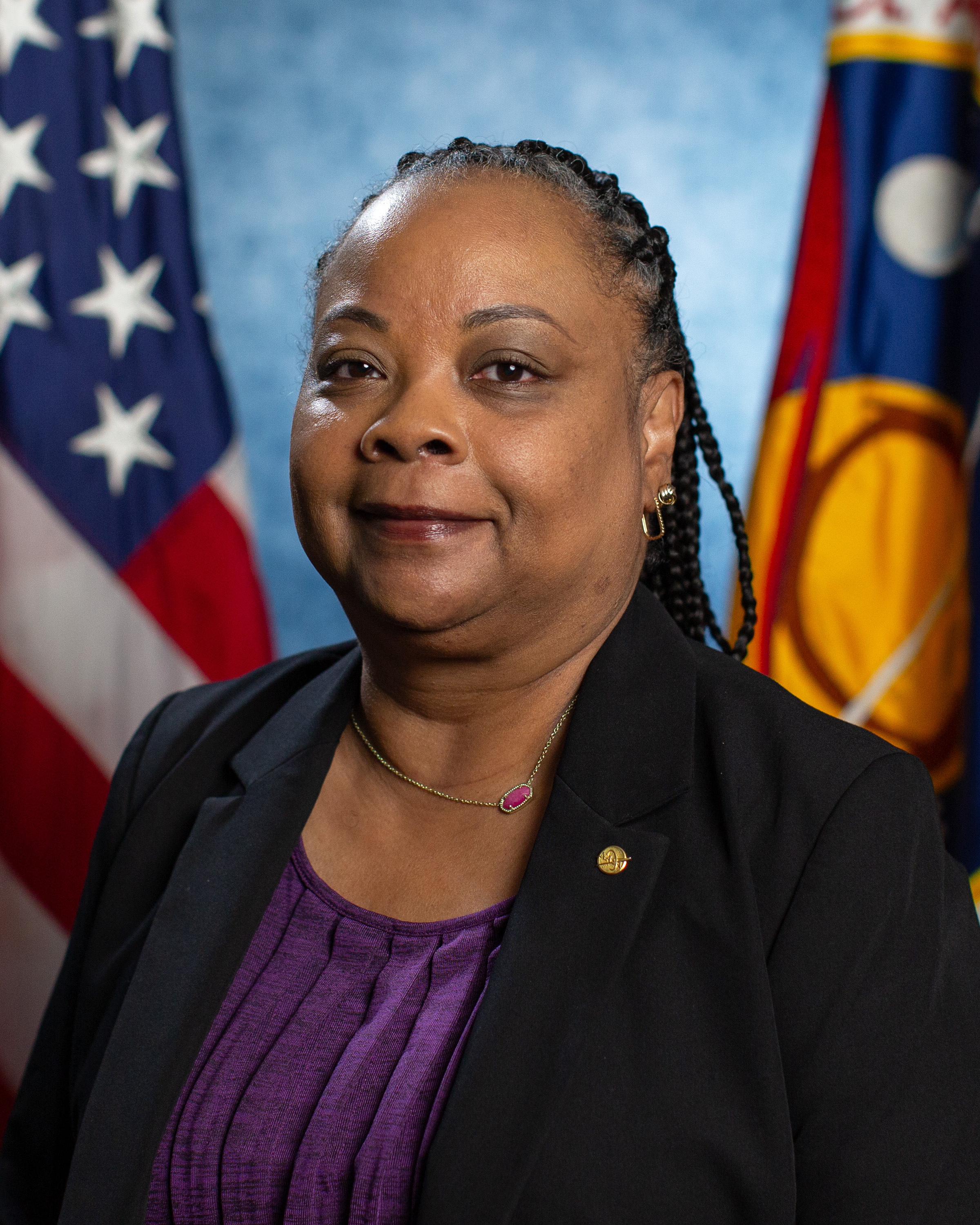
"Meet Regina Senegal, Houston's NASA leader ensuring safety & quality in Orion, Gateway, Human Landing System, & more. As manager of 13 safety & quality te
Houston, Texas - At NASA's Johnson Space Center, Regina Senegal, the acting chief of the Safety and Mission Assurance Directorate's (SMA) Quality and Flight Equipment Division, plays a pivotal role in ensuring safety and quality management across various programs.
As the manager of safety and quality teams for approximately 13 customers, which include the Orion and Gateway Programs, the Human Landing System, and the Extravehicular Activity and Human Surface Mobility Program, Senegal collaborates with a range of organizations and personnel.
Her teams work at multiple levels to implement agency, program, and center SMA requirements, as well as assist in monitoring Johnson's Quality Management System to identify concerns for SMA leadership. Some teams focus on program-level tasks such as writing requirements, establishing assurance programs, and risk identification, while others concentrate on developmental aspects, ensuring compliance with safety and quality standards for hardware, software, and components.
A dedicated team oversees extravehicular activity (EVA) operations, ensuring crew member and equipment safety during spacewalks. The division also manages calibration, safety, and quality for government-furnished equipment at Johnson, procurement quality, and the Receiving, Inspection, and Test Facility.
Senegal's division is characterized by its diversity, encompassing a multitude of tasks and disciplines, which she finds appealing. After seven years as a manufacturing engineer for General Motors, Senegal transitioned to becoming a NASA contractor, eventually achieving her goal of working at NASA, despite limited opportunities upon graduating from Prairie View A&M University.
NASA's Division Chief Regina Senegal, an electrical and electronics engineering graduate, has spent 28 years at the Johnson Space Center, transitioning from a contractor in 2004 to a civil servant. Throughout her tenure, she has been instrumental in the development and implementation of space and life science experiments, the Human Research Facility, crew exercise hardware, and various other projects.
Senegal's most significant memory is the transition of crew health equipment from the Space Shuttle Program to the International Space Station. While not directly involved in the redesign, she ensured the equipment functioned correctly and was safe for extended missions and larger crews on station. She found joy in this challenge as it brought together engineers, doctors, and astronauts in a collaborative effort.
NASA astronaut Andrew Thomas honored Senegal with a Silver Snoopy Award in 2011. Throughout her career at Johnson, she has impacted almost every program and some agency-level initiatives, ascending from group lead to branch chief, deputy division chief, and now division chief – a role she considers her most demanding yet.
"As deputy, you manage parts of the business," Senegal explains. "As chief, you own it all—mission outcomes, safety posture, budget, culture, and external optics." Decisions that were once offered as advice now carry her endorsement and reputation. This shift necessitates setting direction, allocating resources, and making difficult decisions even when every request seems mission-critical.
Title: Senior NASA Official Outlines Talent Development Strategy Amid Risk Management Challenges
In a bid to shape talent recruitment, rotation, and growth strategies while addressing skill set refreshing and succession planning in crucial disciplines, Regina Senegal, Chief of Safety and Mission Assurance (SMA) at NASA's Johnson Space Center, underscores the necessity for clear, consistent, and behavior-influencing communication.
In today's dynamic risk landscape, Senegal emphasizes the need to strike a balance between mission risk and project, program, and agency priorities, ensuring program continuity. The SMA team is adopting regular meetings such as staff synchronizations and risk reviews to maintain alignment amid competing agendas.
Looking forward, the SMA team plans to concentrate on supporting NASA's acquisition strategy and enhancing organizational decision-making efficiency and quality. Senegal highlights the need for defining when issues are escalated to the chief, deputy, or branch chiefs, and emphasizes the importance of safeguarding strategic time by declining non-essential tasks.
Senegal's leadership philosophy revolves around connection and empathy. She stresses the significance of recognizing team members' strengths and demonstrating care, stating that even small gestures can make a difference. "When people feel valued, work becomes less arduous," she says.
Senegal underscores the importance of sharing SMA lessons learned with junior team members and future agency employees. She believes they must comprehend not only safety and quality policies but also their historical context. This understanding, according to Senegal, minimizes the risk of policy repetition and aids in decision-making regarding when and how to accept risks.
Lastly, Senegal encourages the next generation to seek diverse perspectives. She advocates for honesty in admitting ignorance and expressing a desire to learn more, emphasizing that fear should never prevent team members from voicing their opinions.
Source: Read Original Article
Post a Comment