
"Supreme Court nullifies U.S. tariffs under IEEPA, potentially reducing costs & triggering refunds for businesses like Busy Baby. President lacked authorit
International Trade: Supreme Court Ruling Nullifies U.S. Tariffs Imposed Under IEEPA
A landmark decision by the Supreme Court of the United States on Friday has deemed unconstitutional tariffs enacted under the International Emergency Economic Powers Act (IEEPA) by President Trump. The ruling could potentially bring significant cost reductions for businesses and potentially trigger refunds, as the president does not possess the authority to levy such duties, according to the court.
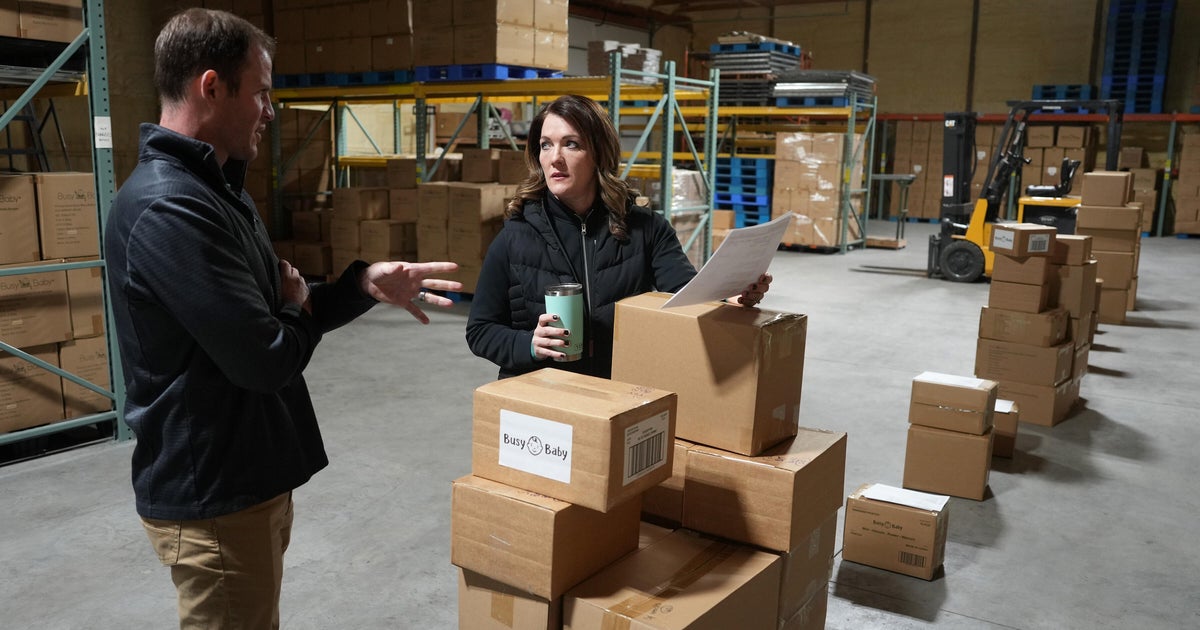
In 2019, President Trump invoked the 1977 law to impose tariffs on numerous U.S. trade partners, citing trade deficits and the inflow of illicit substances, including fentanyl, into the country as national emergencies. Beth Benike, co-founder of Busy Baby, a Minnesota-based company that manufactures mealtime accessories for infants in China, reported halting all imports due to uncertainties regarding the legal status of the IEEPA tariffs. She also has overseas inventory held by her manufacturer in China, which could have been shipped last month but was delayed pending the Supreme Court's long-awaited decision.
Not all businesses opposed the emergency tariffs. Prior to the high court's ruling, Drew Greenblatt, owner of Marlin Steel, a Maryland manufacturer, supported higher levies against U.S. trade partners, as they allegedly provided a "level playing field" for domestic companies like his to compete with overseas competitors more effectively.
The average tariff rate on all U.S. imports is approximately 17%, including those imposed under IEEPA, according to nonpartisan sources. The full impact and implications of this ruling remain to be seen as businesses assess their costs and potential refunds in the wake of this significant decision.
International Trade: Supreme Court Ruling Abolishes Major 2025 Tariffs Imposed by Trump Administration
According to Michael Gregory, deputy chief economist at BMO Capital Markets Economics, the abolishment of IEEPA duties is expected to reduce the average tariff rate to the 7% range. This prediction follows a recent analysis from the Federal Reserve Bank of New York, which found that U.S. businesses and consumers bore the brunt of tariffs imposed during Mr. Trump's presidency in 2025, accounting for nearly 90% of the levies. The Trump administration disputes this analysis.
In a recent ruling, the Supreme Court has nullified several of Mr. Trump's 2025 tariffs, as per Scott Lincicome, vice president of general economics at the Cato Institute, a nonpartisan think tank. Lincicome stated that the decision offers relief for American importers and the U.S. economy, but emphasized the need for the federal government to refund the tens of billions of dollars in customs duties collected from American companies under an 'IEEPA tariff authority' deemed illegal by the ruling.
In 2025, the Treasury Department reported a collection of $287 billion in tariffs, marking a 192% increase from the previous year, according to the Federal Reserve Bank of Richmond. As of mid-December, approximately $130 billion had been collected in IEEPA tariffs, with potential refunds for businesses estimated to reach around $150 billion by economists at PNC Financial Services Group. Businesses such as Benike, a baby product importer, are anticipating full refunds to avoid raising prices that could strain consumers, particularly those purchasing new items related to childcare.
Rachel Rozner, owner of Elden Street Tea Shop in Reston, Virginia, previously expressed hope for a Supreme Court ruling on the matter, stating that it would bring welcome news for American importers, the U.S. economy, and the rule of law. The full impact of the decision remains to be seen, with further work necessary to ensure businesses receive their refunds and navigate any potential challenges moving forward.
In a significant development, the Supreme Court's decision to strike down the IEEPA tariffs could potentially bring "astronomical" relief for small businesses like that of tea vendor Rozner. Primarily sourcing her products from China, India, Japan, and Nepal, Rozner expressed optimism that the removal of these tariffs would alleviate stress associated with ordering and pricing.
However, experts have suggested that the process of tariff refunds could potentially face legal challenges, with Morgan Stanley analysts predicting a few months for refunds to commence, extending further if distribution encounters significant legal hurdles. Rozner, while eligible for a tariff refund following the ruling, voiced concern over the possibility of financial instability, expressing worries about potential exhaustion of funds before refunds are disbursed and unequal distribution of relief within the system.
We Pay the Tariffs, an advocacy group consisting of 800 small businesses against tariffs imposed by the Trump administration, has asserted that the IEEPA levies have negatively impacted small businesses by compelling them to secure loans and halt hiring. In response to the Supreme Court's decision, the group's executive director, Dan Anthony, declared it a "tremendous victory" for America's small businesses. The group also urged the White House to expedite "full, fast and automatic refunds" to employers who have already paid the tariffs.
Notably, the Trump administration has indicated its readiness to implement alternative import duties should the IEEPA tariffs be abolished. In response to the Supreme Court's ruling, President Trump promptly announced a 10% global tariff under Section 122 of the 1974 Trade Act.
In a move announced the following day, the U.S. President has proposed increasing tariffs by 15%. The administration also signaled an intention to broaden existing levies, including those imposed under Sections 301 and 232 of respective trade acts. These sections grant the president the authority to impose country-specific tariffs for perceived unfair trade practices (Section 301) and to protect national security (Section 232).
However, it is important to note that these alternative tariffs are more restrictive than those under the International Emergency Economic Powers Act (IEEPA), which currently caps rates at 15% and allows them to remain in effect for only 150 days. Moreover, the tariff rate must be uniform for all trade partners, thereby limiting negotiating flexibility with different countries. Section 301 tariffs also do not apply universally across foreign imports, according to trade experts.
The transition from IEEPA tariffs to substitute levies could take several months, as per Morgan Stanley's assessment. While businesses might benefit from the removal of IEEPA tariffs, consumers may not experience a reduction in prices, with companies like Walmart reporting increased pricing due to import duties.
Alex Jacquez, chief of policy and advocacy at Groundwork Collective, a progressive think tank focusing on economic issues, stated that no immediate relief from tariff-induced price hikes was forthcoming following the Supreme Court ruling on Friday. He further added that refunds for businesses could take years to process, and even if they are administered, there is little reason to believe companies will pass these savings on to consumers.
Source: Read Original Article
Post a Comment