
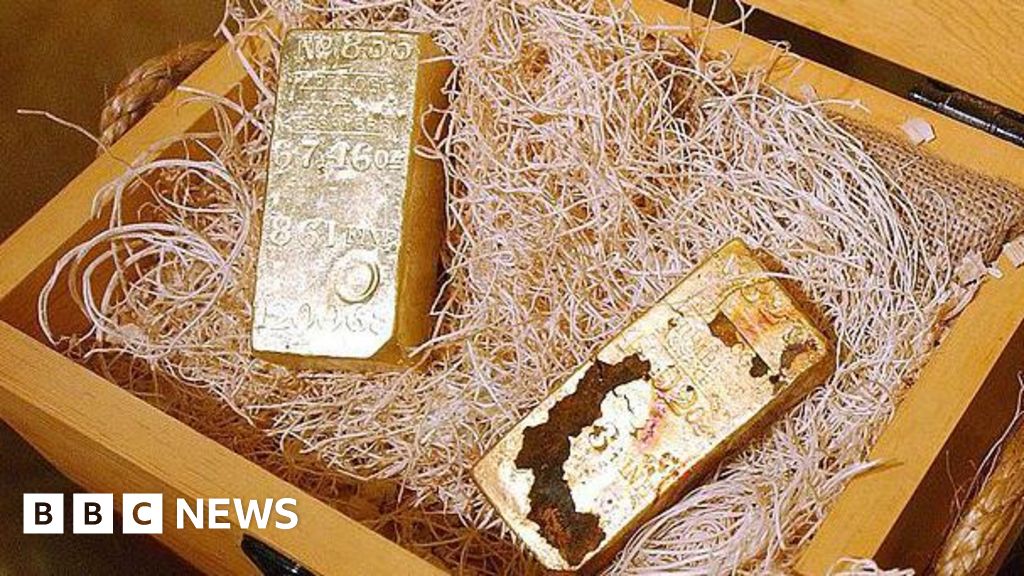
The SS Central America, carrying gold from the California Gold Rush, sank in 1857 off North Carolina, affecting U.S. finance in the 19th century.
The Sinking of the SS Central America
The SS Central America, a steamship renowned for its voyages across the Atlantic, met a tragic fate on September 12, 1857, when it sank to the ocean floor off the coast of North Carolina. The vessel was carrying a significant portion of the nation's gold reserves, intended to bolster the financial stability of eastern banks. However, the ship's ill-fated journey would have far-reaching consequences, contributing to the financial crisis that gripped the United States in the mid-19th century.
The Gold Reserve on Board
The SS Central America was en route from the West Coast to the eastern seaboard with a cargo that included a substantial amount of gold. The gold, accumulated from the California Gold Rush, was intended to serve as a reserve for eastern banks, providing a crucial financial buffer. This load was critical in an era when the nation's financial infrastructure was still developing and subject to occasional panics.
The Tragic Loss of Lives
Among the 425 individuals aboard the SS Central America were 155 passengers and 270 crew members. The loss of life was devastating, and the ship's sinking was a tragic event that highlighted the risks inherent in maritime travel during the 19th century. The passengers and crew included a mix of merchants, miners, and adventurers, each with their own stories and aspirations, now lost to the depths of the ocean.
The Financial Impact and Panic of 1857
The sinking of the SS Central America, along with other financial misfortunes of the time, contributed to the Panic of 1857. The ship's valuable cargo, including the gold intended to stabilize the banking system, was lost, exacerbating the economic turmoil. The failure to secure this financial reserve played a significant role in the broader economic crisis, leading to bank failures and widespread business closures. The event remains a pivotal moment in American economic history, serving as a reminder of the fragility of financial systems in the absence of robust regulatory mechanisms.
The Legacy of the SS Central America
The legacy of the SS Central America is not only in its tragic loss but also in the subsequent discovery and recovery of its contents, particularly the gold, which continues to intrigue and educate historians and enthusiasts alike. The recovery efforts, which began in the 1980s, have provided valuable insights into the historical context of mid-19th century America, offering a tangible link to the economic challenges and innovations of the era.
Source: Read Original Article
Post a Comment