
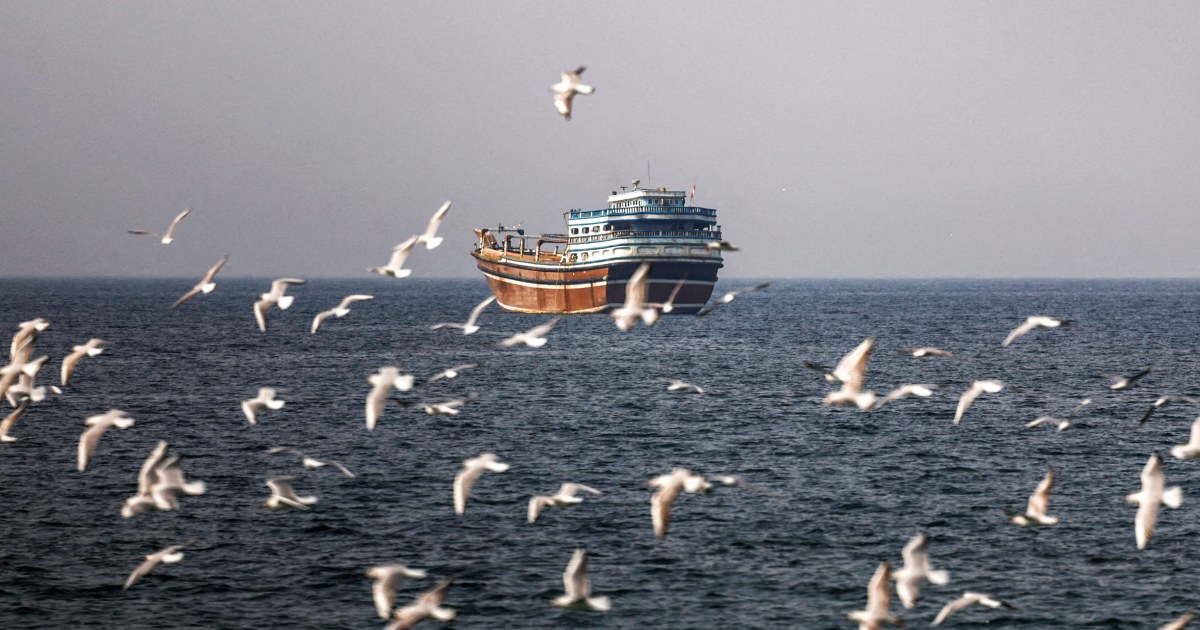
Strategic Strait of Hormuz affects global oil and trade flows, leading to shipping reroutes and potential supply chain delays.
Strategic Significance of the Strait of Hormuz
The Strait of Hormuz, located along Iran's southern coast, serves as a critical transit point for approximately one-fifth of global oil supplies and other commodities like aluminum, sugar, and fertilizer. This narrow waterway has recently become a focal point in international trade due to geopolitical tensions.
Impact on Global Shipping Routes
Following recent strikes in Iran, major shipping and logistics companies such as Maersk, MSC Group, CMA CGM, Hapag-Lloyd, COSCO, and Emirates SkyCargo have restricted or halted bookings through the region. The threat of retaliatory actions has led to a significant rerouting of ships around the Cape of Good Hope, which sits at the southernmost tip of Africa.
Consequences on Global Supply Chains
The rerouting is expected to result in substantial delays, potentially adding weeks to global shipping schedules. Mahmoud Abuwasel, managing partner at Wasel & Wasel, emphasizes that these extended transit times will disrupt modern supply chains, particularly those reliant on just-in-time inventory systems. Such systems aim to deliver materials exactly when needed but are vulnerable to disruptions.
Economic Implications
The rerouting of cargo ships around the Cape of Good Hope effectively reduces available capacity in global shipping networks. Experts predict that this action will exacerbate port congestion and disrupt the "just-in-time" logistics model, which is crucial for maintaining efficient supply chain operations worldwide. The World Bank estimates that over 80% of goods are transported by sea, highlighting the critical role of maritime trade in the global economy.
Consumer and Industry Repercussions
The disruption to supply chains could lead to delayed shipments, tighter inventories, and increased prices across various industries. Manufacturers will be the first to feel the impact as raw materials and components may arrive late or not on schedule. Consumers are likely to experience these effects soon after, through longer delivery times for products ranging from everyday consumer goods to essential electronics.
In summary, while Iran's actions in the Strait of Hormuz may be a response to geopolitical tensions, they pose significant challenges to global trade networks and could have far-reaching economic consequences.
Source: Read Original Article
Post a Comment