
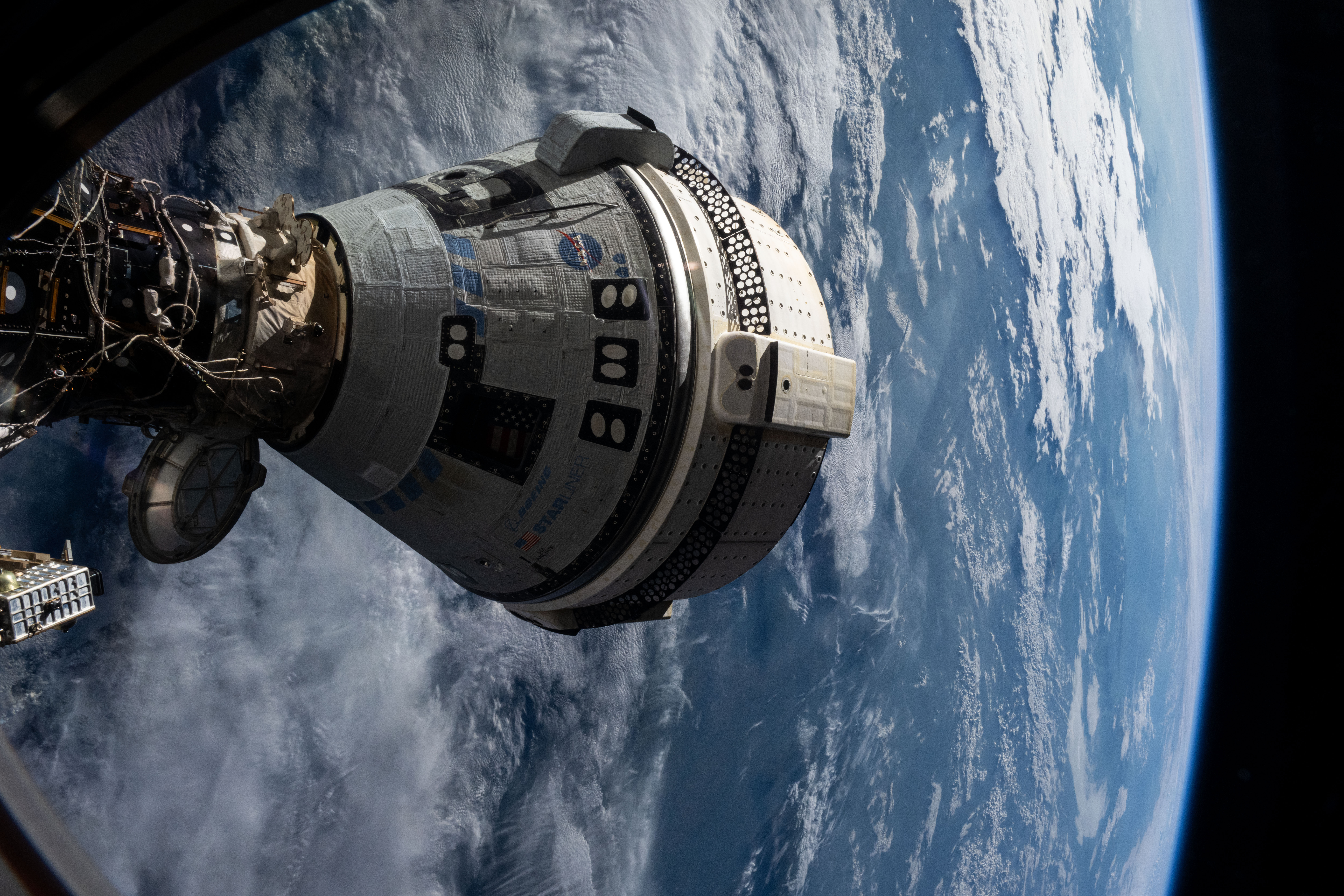
In a press conference on July 3, 2024, NASA Administrator Jared Isaacman announced findings from an investigation into the Boeing CST-100 Starliner Crewed Flight Test. The mission, which launched NASA astronauts Butch Wilmore and Suni Williams to the International Space Station aboard a Boeing Starliner spacecraft on June 5, faced technical challenges during docking with the ISS.
Isaacman stated that "while Boeing built Starliner, NASA accepted it and launched two astronauts to space." He further noted that overarching programmatic objectives of having two providers capable of transporting astronauts to-and-from orbit had influenced engineering and operational decisions, especially during and immediately after the mission.
NASA has declared a Type A mishap, ensuring leadership accountability to prevent future similar incidents. The agency will work with Boeing as both organizations implement corrective actions and return Starliner to flight only when ready. The initial crewed test flight, which was planned for an eight-to-14-day mission, was extended to 93 days due to propulsion system anomalies identified while the spacecraft was in orbit. Following a review of flight data and ground tests at White Sands Test Facility, NASA decided to extend the mission duration.
NASA Spacecraft Return Incident Investigated: Independent Report Reveals Technical, Organizational, and Cultural Factors Contributing to Test Flight Issues
NASA's Boeing Starliner spacecraft, which did not carry astronauts Butch Wilmore and Suni Williams, returned from the International Space Station in September 2024. The craft landed at White Sands Space Harbor in New Mexico. Subsequently, Wilmore and Williams safely returned to Earth on NASA's SpaceX Crew-9 mission in March 2025.
In response to the test flight issues, NASA established an independent Program Investigation Team in February 2025. The report from this team was completed in November 2025. Since Starliner's return 18 months ago, NASA and Boeing have collaborated to identify and address the challenges encountered during the mission, with ongoing technical root cause analysis.
Investigators found a complex interplay of hardware failures, qualification gaps, leadership missteps, and cultural breakdowns that created risk conditions incompatible with NASA's human spaceflight safety standards. NASA will accept this report as final.
Following the findings, NASA is taking corrective actions to ensure the safety of future Starliner flights and all NASA programs by addressing the report's recommendations. The test flight loss of maneuverability near the space station and associated financial damages led NASA to classify it as a Type A mishap, despite no injuries and regained control before docking. This highest-level classification acknowledges potential for a significant mishap.
NASA will continue to collaborate with Boeing to fully understand and resolve the technical challenges with the Starliner vehicle, while also incorporating investigative recommendations. The full report, including redactions in coordination with the commercial partner to protect proprietary and privacy-sensitive material, is available online. A 508-compliant version of the report will be posted soon.
Title: NASA to Release Redacted Report Following Ongoing Review, Details Awaited
NASA is set to publish a redacted report following an ongoing review, as indicated by the agency's announcement on its official website. The exact content of the report remains undisclosed due to the ongoing redaction process, although a completed version is expected to be made available once the review is finalized.
The specific details surrounding the review and the reasons for the redactions have not been disclosed by NASA at this time. Members of the media are advised to contact Bethany Stevens or Cheryl Warner from NASA's Headquarters in Washington, D.C., for further information regarding the report and its publication. Their contact details are as follows:
- Bethany Stevens: 202-358-1600, bethany.c.stevens@nasa.gov
- Cheryl Warner: 202-358-1600, cheryl.m.warner@nasa.gov
Source: Read Original Article