
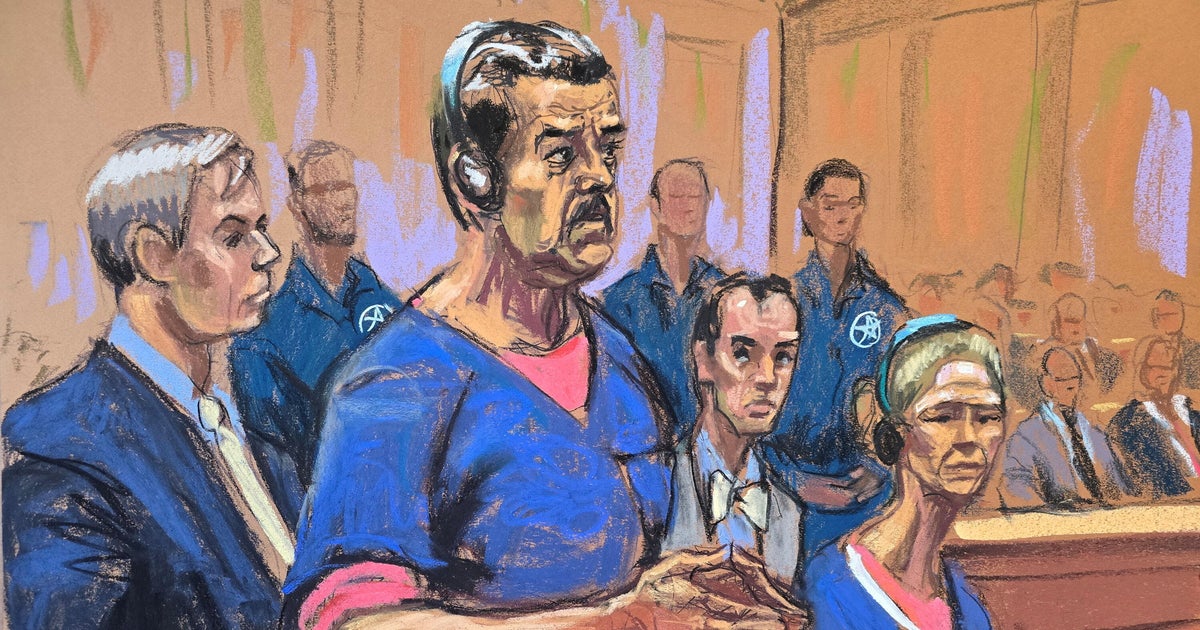
Venezuelan ex-president Nicolás Maduro's legal fees blocked by U.S. Treasury, raising questions about constitutional rights and foreign policy.
Legal Controversy Over Maduro's Defense Fees
The Trump administration is currently blocking the Venezuelan government from paying for legal fees associated with former president Nicolás Maduro’s defense against drug trafficking charges in New York, potentially interfering with his constitutional right to counsel, according to his lawyer.
The Blocking of Legal Payments
Attorney Barry Pollack informed a Manhattan federal judge on February 20 via email that the U.S. Treasury Department had blocked authorization for legal fees that the Venezuelan government is obligated to pay under its own laws and customs. The email was entered into the public court record on Wednesday. Maduro, along with his wife Cilia Flores, have been detained in New York without bail since their January 3 capture by U.S. military forces.
Link Between Foreign Policy and Legal Issues
The dispute over legal fees is intricately tied to U.S. foreign policy. The Trump administration severed ties with Maduro in 2019, recognizing the opposition head of the National Assembly as Venezuela's legitimate leader. The Biden administration has maintained a similar stance. Messages seeking comment from the Treasury Department, White House, and Justice Department have not been immediately responded to.
Implications for Legal Defense
Pollack stated that the Office of Foreign Assets Control had initially approved the payment of legal fees on January 9 but revoked this authorization less than three hours later "without explanation." The license permitting Maduro’s wife's lawyers to be paid remained in place. Pollack argued that allowing the new Venezuelan government led by Delcy Rodríguez, now acting president, to pay for Maduro's defense could complicate prosecutors' efforts to counter his claims of illegal capture and immunity under U.S. and international law.
Legal Rights and Indictment Details
Pollack contended that the U.S. was "interfering with Mr. Maduro’s ability to retain counsel and, therefore, his right under the Sixth Amendment to counsel of his choice." The 25-page indictment against Maduro accused him and others of working with drug cartels and military members to facilitate thousands of tons of cocaine into the U.S. Both Maduro and Flores face life in prison if convicted.
Broader Implications for Venezuela
The capture of Maduro has enabled the Trump administration to exert significant influence over Rodríguez. Under U.S. pressure, Rodríguez has rapidly opened Venezuela's oil industry to American investment, released political prisoners, and re-established direct communications with Washington — actions unseen since 2019 when the U.S. embassy in Caracas was closed.
Conclusion
The current standoff over legal fees underscores the complex interplay between international law, foreign policy, and individual rights in this high-stakes case involving former Venezuelan leadership.
Source: Read Original Article
Post a Comment